
NBR is an acronym for nitrile butadiene rubber but goes by many other names, such as nitrile or buna. NBR is a synthetic rubber compound made from acrylonitrile and butadiene. Buna is renowned for its natural resistance to oils, fuels, water and many other chemicals. You may use NBR for most hydraulic applications, especially those within the … [Read more...] about When should you use NBR for fluid power seals?
Blogs
What are environmentally acceptable lubricants (EALs) in hydraulics?

By Josh Cosford, Contributing Editor Environmentally Acceptable Lubricants, as far as the hydraulics industry is concerned, are fluids offering a reduced impact on the environment. EAL fluids are especially a concern for machinery operating on or around waterways, where the disastrous impact of potentially hazardous and toxic oil is most severe. … [Read more...] about What are environmentally acceptable lubricants (EALs) in hydraulics?
How does aeration affect hydraulic systems?

By Josh Cosford, Contributing Editor Aeration is the introduction of air bubbles within a liquid by passing through or across open air. Aeration most often occurs in hydraulic systems when oil returns to the tank above the oil level in the reservoir, entraining bubbles as it splashes into the tank. The primary worry with aeration is the … [Read more...] about How does aeration affect hydraulic systems?
A review of common hydraulic fluid types and their benefits
By Josh Cosford, Contributing Editor All hydraulic fluid is designed to transmit fluid power energy through a system, and for the most part, they do the job the same way. But that doesn't mean all oil is the same. In fact, there are five common types of hydraulic fluid, each with its benefits and downsides whose use depends on the application … [Read more...] about A review of common hydraulic fluid types and their benefits
What are seal extrusion gaps?
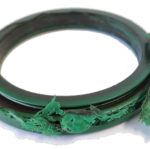
By Josh Cosford, Contributing Editor For any seal to function well in a fluid power application, it must resist the extreme forces attempting to squeeze the material through even the smallest gap like so much Playdoh. The gaps available to a seal to squeeze through are called extrusion gaps. To understand the extrusion gap, you must first … [Read more...] about What are seal extrusion gaps?
When should you use PTFE seals?
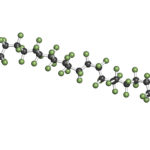
Being the fluid power professional you are, you know that Teflon is used for more than making pans slippery. However, you may not know that Teflon is a registered trademark of DuPont, discovered accidentally many decades ago and associated with non-stock coatings. PTFE is an acronym for polytetrafluoroethylene, which is also a fluorocarbon. DuPont … [Read more...] about When should you use PTFE seals?
What are the most important hydraulic filtration terms you must understand?
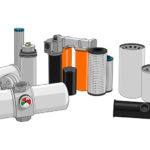
By Josh Cosford, Contributing Editor It’s not enough for you to learn how to design or install hydraulic systems. Any fluid power professional worth their weight in hydraulic oil approaches their education holistically, even if this education occurs after your last exam in college. Engineers and designers absolutely must consider how to make it … [Read more...] about What are the most important hydraulic filtration terms you must understand?
Optimizing hydraulic operations with the use of energy-efficient hydraulic fluids

The right lubricants can improve profitability, productivity and sustainability. Contributed by Blayne McKenzie, Strategic Technology Manager, Industrial Products, The Lubrizol Corp. Procurement decisions in almost any market you can imagine are driven primarily by one or more of the following three factors: profitability, productivity and … [Read more...] about Optimizing hydraulic operations with the use of energy-efficient hydraulic fluids
What is the difference between cellulose and glass filter media?
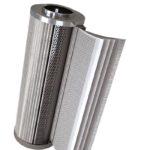
By Josh Cosford, Contributing Editor Manufacturers make cellulose fibers from long chains of plant material processed into a pulp and then drawn out into strands. Glass media comes from a more complicated process of first drawing molten silica fibers and then combining them into a strand using a resin binder. The product of either process looks … [Read more...] about What is the difference between cellulose and glass filter media?
Complete contamination control, including cloud-connection, reduces varnish

Clients of UK-based oil management service provider OMS LubriTek (formerly Rockson LubriTek) are set to benefit from a major investment in new kit and expertise – thanks to partner company Reynolds Contamination Control. The two companies began working together last year when Reynolds announced it would be using OMS LubriTek’s pioneering Energy … [Read more...] about Complete contamination control, including cloud-connection, reduces varnish