• Skip to primary navigation
  • Skip to main content
  • Skip to primary sidebar
  • Skip to footer

Sealing & Contamination Control Tips

Fluid Power Sealing and Contamination Control Information and Resources

  • News
  • Contamination Control
  • Filtration
  • Seals
  • Fluids
  • Design Guides
  • Advertise
  • Subscribe
You are here: Home / Blogs / What is the best cylinder piston seal?

What is the best cylinder piston seal?

December 16, 2022 By Mary Gannon

Share

By Josh Cosford, Contributing Editor

How long is a piece of string? So what? Did you think you’d get a straight answer on a subject like “what is the best cylinder piston seal?” There is no best piston seal, just like there is no best car (it’s the Mazda Miata, by the way). If you’re in the snow belt with five kids, your best car is a seven-passenger with all-wheel drive. If you’re retired in Phoenix, well, then your only option is a Miata.
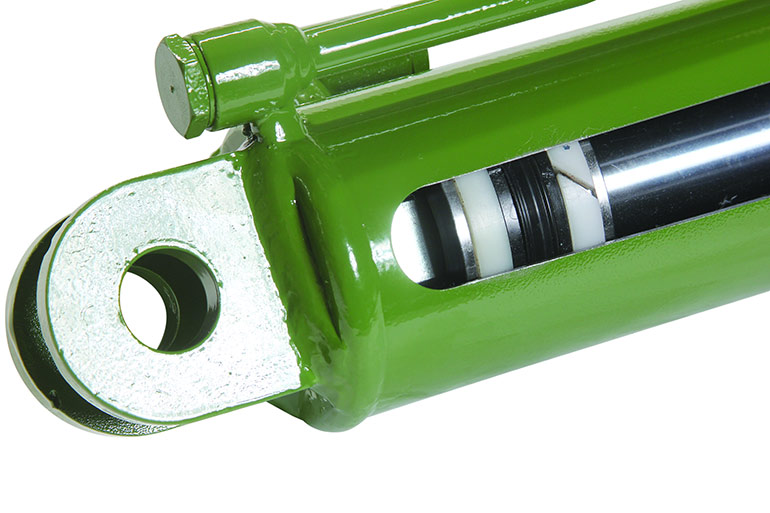
Cylinder piston seals AdobeStock_25655813
Image courtesy of Adobe Stock

Clearly, what works well in a material handling air cylinder will not provide the best solution for the hot strip mill. That little air cylinder kicking boxes off the conveyor in the Amazon warehouse requires quick, snappy action with low friction seals. The mill cylinder used on the hot strip mill needs high-temperature seals appropriate for high water-based fluids.

To continue with my above examples, consider that a small air cylinder requires low friction seals to move quickly and does not bother with high-pressure provisions. Buna nitrile O-rings work well in air cylinder pistons but tend towards high static friction, requiring some breakaway pressure to start moving. Upgrading to buna nitrile U-cup seals provides a faster breakaway with no velocity penalty. Because O-rings are press fit, they’re always under compression during installation, which causes high static friction. Offering less dynamic friction, the O-Ring moves smoothly inside the piston bore “break away” occurs.

Light-duty air cylinders get by with a single O-ring, but heavy-duty air and hydraulic applications require backup rings to prevent seal extrusion. The backup ring is hard plastic and offers a shoulder to lean, as it were. A double-acting cylinder will see a backup ring on either side of the O-ring, so support is offered in both directions. Modern designs employ a T-shaped seal with grooves allowing the backup rings to snap in tightly. T-seals have excellent high-pressure capacity, yet even hydraulic applications still experience static friction. Pressure holding capacity is one area T-seals shine, offering little to no leakage in applications where load holding is paramount, such as man lifts.

The lip seal offers a pocket where the pressure applied increases the sealing effort by pushing the lip outward to the barrel wall. These are unidirectional seals, so any pressure applied to the heel side of the seal will easily pass fluid. Lips seals such as the U-cup offer less static friction and an easier breakaway, so applications with oscillations make them the top choice.

(Relatively) new technologies, such as crown seals, offer a step up to high-pressure seals replacing O-rings and T-seals. A polyurethane seal encapsulates a buna nitrile energizer to create an assembly with less static friction yet tremendous pressure-holding capacity. Manufacturers offer many variations on the crown seal design, differing in shape and compound. Using a PTFE seal with a rubber energizer, for example, offers a very high-velocity option that sacrifices leakage somewhat.

The moral of the story is that no one seal is the best across all applications. You must understand your application requirements and run with the best seal to suit your needs. You might be surprised that for ultimate high-speed cylinders with potential for side-load, a wide piston with three or four cast iron rings offers the highest speed (but with extreme leakage). Sometimes the best seal is none at all.

 

You may also like:

  • Figure 2– Thermoplastic Polyurethane (TPU) primary ingredients (reference Halite Fluid Power 201 training platform)
    What to consider when using TPU for fluid power seals
  • EPDM seals shutterstock_1480435625
    When are EPDM seals appropriate in hydraulic systems?
  • NBR-Buna-O-ring-seal-AdobeStock_444167554
    When should you use NBR for fluid power seals?
  • shutterstock_189475733 fluid power seals in construction machinery
    A primer on fluid power seals in construction machinery
  • Example of a seal extruded over some time
    What are seal extrusion gaps?

Filed Under: Blogs, Featured, Seals

Primary Sidebar

Fluid Power World Digital Editions

Fluid Power World Digital Edition

Browse the most current issue of Fluid Power World and back issues in an easy to use high quality format. Bookmark, share and interact with the leading design engineering magazine today.

Fluid Power Design Guides

fluid
“sact
EXPAND YOUR KNOWLEDGE AND STAY CONNECTED
Get the latest info on technologies, tools and strategies for Fluid Power Professionals.

Meta

  • Log in
  • Entries feed
  • Comments feed
  • WordPress.org

Archives

  • April 2026
  • March 2026
  • February 2026
  • January 2026
  • November 2025
  • October 2025
  • September 2025
  • August 2025
  • July 2025
  • June 2025
  • May 2025
  • April 2025
  • March 2025
  • February 2025
  • January 2025
  • December 2024
  • November 2024
  • October 2024
  • September 2024
  • August 2024
  • July 2024
  • June 2024
  • May 2024
  • April 2024
  • March 2024
  • February 2024
  • January 2024
  • December 2023
  • November 2023
  • October 2023
  • September 2023
  • August 2023
  • July 2023
  • June 2023
  • May 2023
  • April 2023
  • March 2023
  • February 2023
  • January 2023
  • December 2022
  • November 2022
  • October 2022
  • September 2022
  • August 2022
  • July 2022
  • June 2022
  • May 2022
  • April 2022
  • March 2022
  • February 2022
  • January 2022
  • December 2021
  • November 2021
  • October 2021
  • September 2021
  • August 2021
  • July 2021
  • June 2021
  • May 2021
  • April 2021
  • March 2021
  • February 2021
  • January 2021
  • December 2020
  • November 2020
  • October 2020
  • September 2020
  • August 2020
  • July 2020
  • June 2020
  • May 2020
  • April 2020
  • March 2020
  • February 2020
  • January 2020
  • December 2019
  • November 2019
  • October 2019
  • September 2019
  • August 2019
  • July 2019
  • June 2019
  • May 2019
  • April 2019
  • March 2019
  • February 2019
  • January 2019
  • December 2018
  • November 2018
  • October 2018
  • September 2018
  • August 2018
  • July 2018
  • June 2018
  • May 2018
  • April 2018
  • March 2018
  • February 2018
  • January 2018
  • December 2017
  • November 2017
  • October 2017
  • September 2017
  • August 2017
  • July 2017
  • June 2017
  • May 2017
  • April 2017
  • March 2017
  • February 2017
  • January 2017
  • December 2016
  • November 2016
  • October 2016
  • September 2016
  • August 2016
  • July 2016
  • June 2016
  • May 2016
  • April 2016
  • March 2016
  • February 2016
  • January 2016
  • December 2015
  • November 2015
  • September 2015
  • August 2015
  • July 2015
  • June 2015

Recent Comments

  • Are clogged hydraulic filters better? | Sealing & Contamination Control Tips on What types of hydraulic filters are available?

Categories

  • Blogs
  • Contamination Control
  • Featured
  • Filtration
  • Fluids
  • Mobile Hydraulic Tips
  • News
  • Products
  • Seals
  • tanks and reservois
  • Testing Equipment
  • Uncategorized

Recent Comments

  • Are clogged hydraulic filters better? | Sealing & Contamination Control Tips on What types of hydraulic filters are available?

Archives

  • April 2026
  • March 2026
  • February 2026
  • January 2026
  • November 2025
  • October 2025
  • September 2025
  • August 2025
  • July 2025
  • June 2025
  • May 2025
  • April 2025
  • March 2025
  • February 2025
  • January 2025
  • December 2024
  • November 2024
  • October 2024
  • September 2024
  • August 2024
  • July 2024
  • June 2024
  • May 2024
  • April 2024
  • March 2024
  • February 2024
  • January 2024
  • December 2023
  • November 2023
  • October 2023
  • September 2023
  • August 2023
  • July 2023
  • June 2023
  • May 2023
  • April 2023
  • March 2023
  • February 2023
  • January 2023
  • December 2022
  • November 2022
  • October 2022
  • September 2022
  • August 2022
  • July 2022
  • June 2022
  • May 2022
  • April 2022
  • March 2022
  • February 2022
  • January 2022
  • December 2021
  • November 2021
  • October 2021
  • September 2021
  • August 2021
  • July 2021
  • June 2021
  • May 2021
  • April 2021
  • March 2021
  • February 2021
  • January 2021
  • December 2020
  • November 2020
  • October 2020
  • September 2020
  • August 2020
  • July 2020
  • June 2020
  • May 2020
  • April 2020
  • March 2020
  • February 2020
  • January 2020
  • December 2019
  • November 2019
  • October 2019
  • September 2019
  • August 2019
  • July 2019
  • June 2019
  • May 2019
  • April 2019
  • March 2019
  • February 2019
  • January 2019
  • December 2018
  • November 2018
  • October 2018
  • September 2018
  • August 2018
  • July 2018
  • June 2018
  • May 2018
  • April 2018
  • March 2018
  • February 2018
  • January 2018
  • December 2017
  • November 2017
  • October 2017
  • September 2017
  • August 2017
  • July 2017
  • June 2017
  • May 2017
  • April 2017
  • March 2017
  • February 2017
  • January 2017
  • December 2016
  • November 2016
  • October 2016
  • September 2016
  • August 2016
  • July 2016
  • June 2016
  • May 2016
  • April 2016
  • March 2016
  • February 2016
  • January 2016
  • December 2015
  • November 2015
  • September 2015
  • August 2015
  • July 2015
  • June 2015

Categories

  • Blogs
  • Contamination Control
  • Featured
  • Filtration
  • Fluids
  • Mobile Hydraulic Tips
  • News
  • Products
  • Seals
  • tanks and reservois
  • Testing Equipment
  • Uncategorized

Meta

  • Log in
  • Entries feed
  • Comments feed
  • WordPress.org

Footer

Sealing and Contamination Tips

Fluid Power World Digital Network

  • Fluid Power World
  • Mobile Hydraulic Tips
  • Pneumatic Tips
  • Hose Assembly Tips
  • Leadership in Engineering

Sealing & Contamination Control

  • Subscribe to Fluid Power World
  • Videos
  • Advertise with us
  • About us

Copyright © 2026 · WTWH Media, LLC · Privacy Policy