• Skip to primary navigation
  • Skip to main content
  • Skip to primary sidebar
  • Skip to footer

Sealing & Contamination Control Tips

Fluid Power Sealing and Contamination Control Information and Resources

  • News
  • Contamination Control
  • Filtration
  • Seals
  • Fluids
  • Design Guides
  • Advertise
  • Subscribe
You are here: Home / Featured / Offline filtration loop adapters ensure clean reservoir fluids

Offline filtration loop adapters ensure clean reservoir fluids

February 25, 2020 By Mary Gannon

Share

When hydraulic systems need to be cleaned, there’s no easy way to access the fluid inside reservoirs. As any user of fluid power knows, new and used hydraulic fluids typically are not pre-filtered and can be highly contaminated. One-pass filtration systems aren’t enough. Opening the filler breather cap while filling the reservoir allows airborne particles and moisture to enter. Overfilling and spills are common practice, increasing environmental pollution and the risk of personal injury. Finally, draining an overfilled reservoir is problematic and hydraulic components can be damaged by over filled reservoirs.
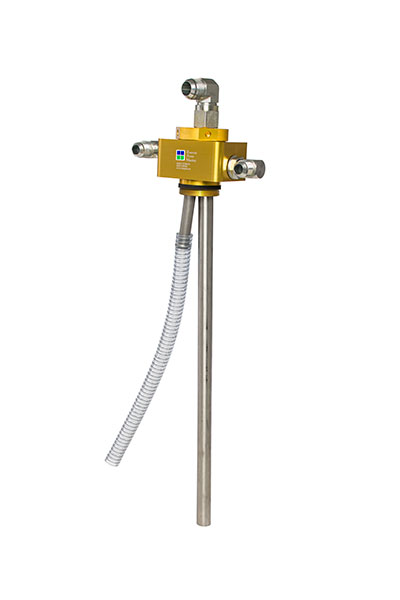
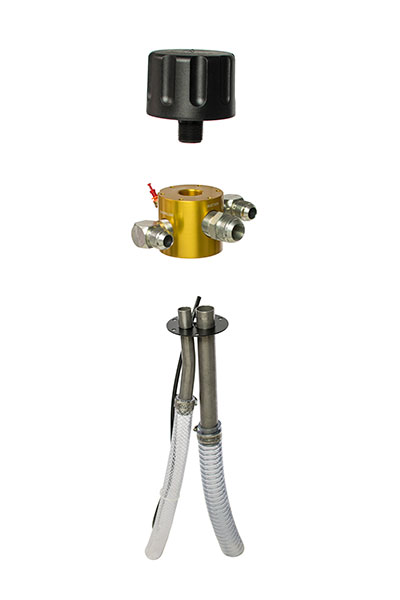
Two models of Reservoir Access Manifolds are available, including a bolt down design and ones made of two pieces including a body and cartridge.
Two models of Reservoir Access Manifolds are available, including a bolt down design, right, and ones made of two pieces, left, including a body and cartridge.


Filtering and transferring fluid to hydraulic and lube systems is typically done by inserting tube wands through the filter-breather twist cap or threaded opening on top of the tank and the oil drum or tote bungs. This method leaves reservoirs and drums open to contaminates and spills.

The (RAM) Reservoir Access Manifold from c-change offers a different, safer and cleaner solution. The RAM is an offline filtration loop adapter that allows simple access to fluids inside closed reservoirs, drums and gearboxes. With the addition of one or two internal tubes, users can add and remove fluid using the existing filter breather opening, reservoir cap, or pipe thread reservoir breather opening.
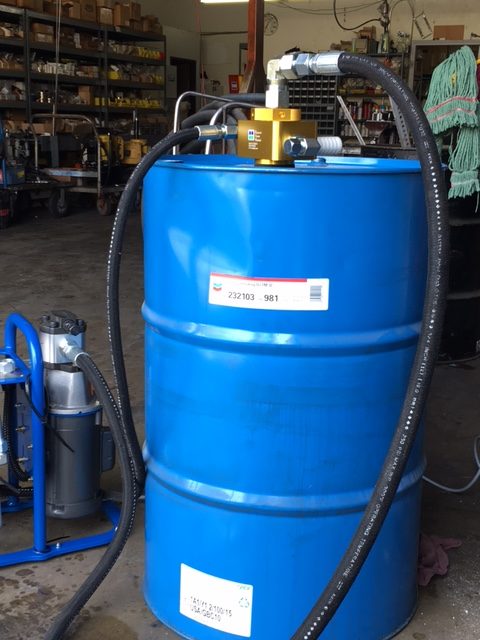
The RAM Manifold from c-change is a safe, clean offline filtration loop adapter that allows easy access to fluids inside closed reservoirs, drums and gearboxes.

Two models are available. The BD (Bolt Down) uses the standard 6-hole reservoir mount and is made of a single piece of aluminum. The DT and ST models are made of two pieces, a body and cartridge. Both have tubes that enter the interior of the reservoir and terminate below the fluid level. Both models have interconnecting passages in their bodies connecting the interior tubes to the exterior. Each has threaded ports for fitting connections

“I’ve been in the fluid power industry for 40-plus years and I’ve seen firsthand how destructive dirty oil is to component life,” said Marc Watson, Founder of c-change Inc. “The Reservoir Access Manifold, or RAM, is a new hydraulic component that mounts to your reservoir, oil drums, totes and gearboxes and will save oil, components and your money.

“The RAM gives users easy access to the oil in reservoirs, drums and totes with no fabrication,” Watson continued. “They only take minutes to install because they use the existing reservoir breather or cap. This gives you control over what enters and leaves your system. Proactive fluid management just got easier. The RAM lets you easily use a filter cart when transferring oil from drums to reservoirs. It also allows offline filtration with your system on or off while keeping systems closed to contaminants.”

The BD RAM (Bolt Down) can replace the standard filler breather and mount directly in its place. Users can remount the original bayonet cap on top of the BD or upgrade to a more efficient filter. The BD comes standard with a 1 in. female pipe thread top breather port. BD RAMs incorporate five functions in one body. Features include:

  • Reservoir filler/ breather
  • 1-in. positional suction tube
  • ¾ in. positional return tube
  • Overflow port
  • Oil sampling port

The suction and return down tubes are inserted into the bottom of the BD and can be rotated 360°. Both tubes terminate below the reservoir fluid level. They can be straight or bent and positioned in the reservoir for maximum efficiency.
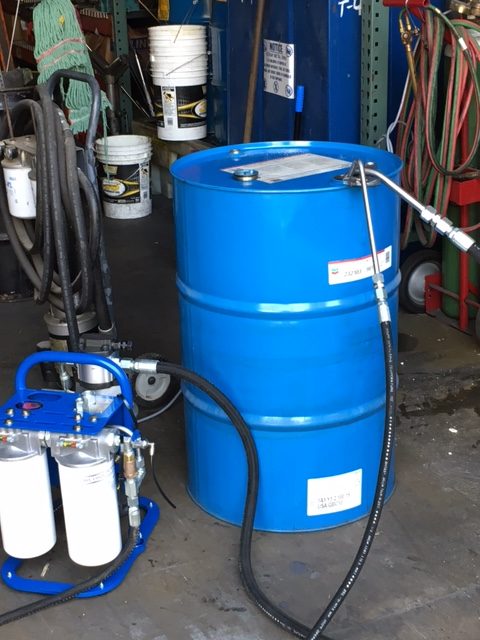
An overflow passage communicates with the reservoir air gap in the event of overfilling the tank. This gives the potentially over-pressurized fluid an exhaust route, without causing damage, all while minimizing spills. Oil sampling is accomplished by using an internal flexible tube within the air breather passage which can be attached to either down tube terminating below the fluid level. Because of the stationary position, reliable oil samples may be taken with the system on or offline.

Models DT and ST accomplish the same functions as the BD model, but without a separate sampling port, and attach to the reservoir differently. DT and ST use a male pipe thread or straight thread mounting connection and offer one or two internal down tubes. Overflow protection and a breather port is provided. The DT and ST models are designed to maximize the internal area by minimizing the internal male thread wall thickness. This reduces the choking effect of having down tubes inside the male attachment thread. The down tube sizes have been selected to maximize air flow while keeping the largest possible suction tube diameter.

A final benefit, said Watson, is reduced oil usage. RAM users can delay oil change outs and reduce system component replacements. “You will now be able to obtain and keep those ISO cleanliness codes. RAMs facilitate the greening of our industry — finally,” Watson concluded.

Learn more and see c-change at IFPE March 10-14 in the South Hall in booth S-81461.

c-change Inc.
c-changeinc.com

You may also like:

  • IFPE Paul Michael hydraulic fluids course Man-working-underneath-machine
    A review of hydraulic fluids and contamination control
  • The best way to remove emulsified or dissolved water from hydraulic oil is through vacuum dehydration. VUD vacuum dehydrator image courtesy of Hy-Pro Filtration
    How do you remove water from your hydraulic system?

  • Should every system be equipped with a kidney loop?
  • Hydraulic-filters-Offline-Filter
    Where should I locate my hydraulic filter?

  • Contamination begets contamination

Filed Under: Featured, Filtration Tagged With: cchange

Primary Sidebar

Fluid Power World Digital Editions

Fluid Power World Digital Edition

Browse the most current issue of Fluid Power World and back issues in an easy to use high quality format. Bookmark, share and interact with the leading design engineering magazine today.

Fluid Power Design Guides

fluid
“sact
EXPAND YOUR KNOWLEDGE AND STAY CONNECTED
Get the latest info on technologies, tools and strategies for Fluid Power Professionals.

Meta

  • Log in
  • Entries feed
  • Comments feed
  • WordPress.org

Archives

  • May 2026
  • April 2026
  • March 2026
  • February 2026
  • January 2026
  • November 2025
  • October 2025
  • September 2025
  • August 2025
  • July 2025
  • June 2025
  • May 2025
  • April 2025
  • March 2025
  • February 2025
  • January 2025
  • December 2024
  • November 2024
  • October 2024
  • September 2024
  • August 2024
  • July 2024
  • June 2024
  • May 2024
  • April 2024
  • March 2024
  • February 2024
  • January 2024
  • December 2023
  • November 2023
  • October 2023
  • September 2023
  • August 2023
  • July 2023
  • June 2023
  • May 2023
  • April 2023
  • March 2023
  • February 2023
  • January 2023
  • December 2022
  • November 2022
  • October 2022
  • September 2022
  • August 2022
  • July 2022
  • June 2022
  • May 2022
  • April 2022
  • March 2022
  • February 2022
  • January 2022
  • December 2021
  • November 2021
  • October 2021
  • September 2021
  • August 2021
  • July 2021
  • June 2021
  • May 2021
  • April 2021
  • March 2021
  • February 2021
  • January 2021
  • December 2020
  • November 2020
  • October 2020
  • September 2020
  • August 2020
  • July 2020
  • June 2020
  • May 2020
  • April 2020
  • March 2020
  • February 2020
  • January 2020
  • December 2019
  • November 2019
  • October 2019
  • September 2019
  • August 2019
  • July 2019
  • June 2019
  • May 2019
  • April 2019
  • March 2019
  • February 2019
  • January 2019
  • December 2018
  • November 2018
  • October 2018
  • September 2018
  • August 2018
  • July 2018
  • June 2018
  • May 2018
  • April 2018
  • March 2018
  • February 2018
  • January 2018
  • December 2017
  • November 2017
  • October 2017
  • September 2017
  • August 2017
  • July 2017
  • June 2017
  • May 2017
  • April 2017
  • March 2017
  • February 2017
  • January 2017
  • December 2016
  • November 2016
  • October 2016
  • September 2016
  • August 2016
  • July 2016
  • June 2016
  • May 2016
  • April 2016
  • March 2016
  • February 2016
  • January 2016
  • December 2015
  • November 2015
  • September 2015
  • August 2015
  • July 2015
  • June 2015

Recent Comments

  • Are clogged hydraulic filters better? | Sealing & Contamination Control Tips on What types of hydraulic filters are available?

Categories

  • Blogs
  • Contamination Control
  • Featured
  • Filtration
  • Fluids
  • Mobile Hydraulic Tips
  • News
  • Products
  • Seals
  • tanks and reservois
  • Testing Equipment
  • Uncategorized

Recent Comments

  • Are clogged hydraulic filters better? | Sealing & Contamination Control Tips on What types of hydraulic filters are available?

Archives

  • May 2026
  • April 2026
  • March 2026
  • February 2026
  • January 2026
  • November 2025
  • October 2025
  • September 2025
  • August 2025
  • July 2025
  • June 2025
  • May 2025
  • April 2025
  • March 2025
  • February 2025
  • January 2025
  • December 2024
  • November 2024
  • October 2024
  • September 2024
  • August 2024
  • July 2024
  • June 2024
  • May 2024
  • April 2024
  • March 2024
  • February 2024
  • January 2024
  • December 2023
  • November 2023
  • October 2023
  • September 2023
  • August 2023
  • July 2023
  • June 2023
  • May 2023
  • April 2023
  • March 2023
  • February 2023
  • January 2023
  • December 2022
  • November 2022
  • October 2022
  • September 2022
  • August 2022
  • July 2022
  • June 2022
  • May 2022
  • April 2022
  • March 2022
  • February 2022
  • January 2022
  • December 2021
  • November 2021
  • October 2021
  • September 2021
  • August 2021
  • July 2021
  • June 2021
  • May 2021
  • April 2021
  • March 2021
  • February 2021
  • January 2021
  • December 2020
  • November 2020
  • October 2020
  • September 2020
  • August 2020
  • July 2020
  • June 2020
  • May 2020
  • April 2020
  • March 2020
  • February 2020
  • January 2020
  • December 2019
  • November 2019
  • October 2019
  • September 2019
  • August 2019
  • July 2019
  • June 2019
  • May 2019
  • April 2019
  • March 2019
  • February 2019
  • January 2019
  • December 2018
  • November 2018
  • October 2018
  • September 2018
  • August 2018
  • July 2018
  • June 2018
  • May 2018
  • April 2018
  • March 2018
  • February 2018
  • January 2018
  • December 2017
  • November 2017
  • October 2017
  • September 2017
  • August 2017
  • July 2017
  • June 2017
  • May 2017
  • April 2017
  • March 2017
  • February 2017
  • January 2017
  • December 2016
  • November 2016
  • October 2016
  • September 2016
  • August 2016
  • July 2016
  • June 2016
  • May 2016
  • April 2016
  • March 2016
  • February 2016
  • January 2016
  • December 2015
  • November 2015
  • September 2015
  • August 2015
  • July 2015
  • June 2015

Categories

  • Blogs
  • Contamination Control
  • Featured
  • Filtration
  • Fluids
  • Mobile Hydraulic Tips
  • News
  • Products
  • Seals
  • tanks and reservois
  • Testing Equipment
  • Uncategorized

Meta

  • Log in
  • Entries feed
  • Comments feed
  • WordPress.org

Footer

Sealing and Contamination Tips

Fluid Power World Digital Network

  • Fluid Power World
  • Mobile Hydraulic Tips
  • Pneumatic Tips
  • Hose Assembly Tips
  • Leadership in Engineering

Sealing & Contamination Control

  • Subscribe to Fluid Power World
  • Videos
  • Advertise with us
  • About us

Copyright © 2026 · WTWH Media, LLC · Privacy Policy