• Skip to primary navigation
  • Skip to main content
  • Skip to primary sidebar
  • Skip to footer

Sealing & Contamination Control Tips

Fluid Power Sealing and Contamination Control Information and Resources

  • News
  • Contamination Control
  • Filtration
  • Seals
  • Fluids
  • Design Guides
  • Advertise
  • Subscribe
You are here: Home / Fluids / How does aeration affect hydraulic systems?

How does aeration affect hydraulic systems?

November 24, 2021 By Mary Gannon Leave a Comment

Share

By Josh Cosford, Contributing Editor

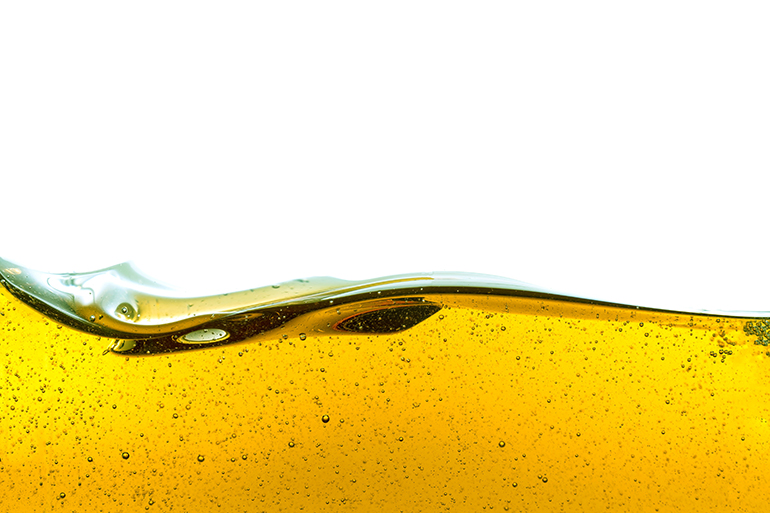
Aeration is the introduction of air bubbles within a liquid by passing through or across open air. Aeration most often occurs in hydraulic systems when oil returns to the tank above the oil level in the reservoir, entraining bubbles as it splashes into the tank.
Hydraulic aeration AdobeStock_296576840_edited

The primary worry with aeration is the damaging effect on hydraulic pumps. As a free bubble makes its way to the pressure side of a pump, it implodes under the compressive force of the hydraulic fluid and creates a super-heated jet that damages swash plates, pistons, gears, or vanes (depending on the pump). You’ll likely recall this effect from another brutal occurrence called cavitation, where instead of bubbles joining from free air, they spontaneously form under excessive suction line vacuum.

In some cases, aeration proliferates the entire hydraulic system. For example, poorly maintained hydraulic oil is more susceptible to aeration, as the viscosity-raising effects of oxidation and sludge leave the oil more likely to retain bubbles. In addition, with poor return line conditions causing aeration, the hydraulic system can sometimes not expel them as quickly as they arrive, causing the hydraulic fluid to turn to foam essentially.

If you’ve ever wondered what would happen in a hydraulic/pneumatic hybrid system, then it definitely involves foamy oil. When oil is foamy, it has compressibility like air. The oil bubbles entrained in the hydraulic fluid compress, decreasing the bulk modulus of the oil. The pressure capacity of the oil remains high as standard hydraulic oil, but the motion of the hydraulic actuators may be unpredictable. Actuators may move in jumps and spurts as air bubbles compress and then expand, almost like a pneumatic cylinder with severe chattering issues.

Foamy oil accelerates the oxidation of the oil but through inferior heat transfer and higher exposure to oxygen. Because air transfers thermal energy more poorly than liquid, the hydraulic system is likely to run hotter, which in turn succumbs to higher oxidation while exposed to more free oxygen in the air bubbles.

Air makes a poor lubricant compared to oil, so whenever air bubbles displace hydraulic fluid, your components experience accelerated wear. More metal-to-metal contact occurs with aerated oil, including pumps and motors, which experience the most damage under these conditions. In addition, higher pressure exacerbates wear as the force generated is higher across the metal surfaces, such as the piston slippers against the wear plate of a piston pump or the vanes against the cam ring of a vane pump.

The best way to solve the problem of aeration is to prevent it with intelligent power unit design, ensuring all lines exit below the surface of the oil and offering a reservoir large enough to provide sufficient time for bubbles to release back into the air. Suppose your aeration problem occurs from an unknown culprit. In that case, your last resort might be to pour anti-foaming additives in with your fluid that resists aeration while improving the capacity to release bubbles.


You may also like:


  • Air and oil don’t mix

  • Proper hydraulic contamination control

  • What are the top 5 forms of hydraulic contamination?
  • Illustration of the construction of a bootstrap hydraulic reservoir
    How do you size hydraulic reservoirs for aircraft hydraulic systems?

  • How does fluid contamination cause components to fail?

Filed Under: Blogs, Contamination Control, Featured, Fluids

Reader Interactions

Leave a Reply Cancel reply

Your email address will not be published. Required fields are marked *

This site uses Akismet to reduce spam. Learn how your comment data is processed.

Primary Sidebar

Fluid Power World Digital Editions

Fluid Power World Digital Edition

Browse the most current issue of Fluid Power World and back issues in an easy to use high quality format. Bookmark, share and interact with the leading design engineering magazine today.

Fluid Power Design Guides

fluid
“sact
EXPAND YOUR KNOWLEDGE AND STAY CONNECTED
Get the latest info on technologies, tools and strategies for Fluid Power Professionals.

Meta

  • Log in
  • Entries feed
  • Comments feed
  • WordPress.org

Archives

  • April 2026
  • March 2026
  • February 2026
  • January 2026
  • November 2025
  • October 2025
  • September 2025
  • August 2025
  • July 2025
  • June 2025
  • May 2025
  • April 2025
  • March 2025
  • February 2025
  • January 2025
  • December 2024
  • November 2024
  • October 2024
  • September 2024
  • August 2024
  • July 2024
  • June 2024
  • May 2024
  • April 2024
  • March 2024
  • February 2024
  • January 2024
  • December 2023
  • November 2023
  • October 2023
  • September 2023
  • August 2023
  • July 2023
  • June 2023
  • May 2023
  • April 2023
  • March 2023
  • February 2023
  • January 2023
  • December 2022
  • November 2022
  • October 2022
  • September 2022
  • August 2022
  • July 2022
  • June 2022
  • May 2022
  • April 2022
  • March 2022
  • February 2022
  • January 2022
  • December 2021
  • November 2021
  • October 2021
  • September 2021
  • August 2021
  • July 2021
  • June 2021
  • May 2021
  • April 2021
  • March 2021
  • February 2021
  • January 2021
  • December 2020
  • November 2020
  • October 2020
  • September 2020
  • August 2020
  • July 2020
  • June 2020
  • May 2020
  • April 2020
  • March 2020
  • February 2020
  • January 2020
  • December 2019
  • November 2019
  • October 2019
  • September 2019
  • August 2019
  • July 2019
  • June 2019
  • May 2019
  • April 2019
  • March 2019
  • February 2019
  • January 2019
  • December 2018
  • November 2018
  • October 2018
  • September 2018
  • August 2018
  • July 2018
  • June 2018
  • May 2018
  • April 2018
  • March 2018
  • February 2018
  • January 2018
  • December 2017
  • November 2017
  • October 2017
  • September 2017
  • August 2017
  • July 2017
  • June 2017
  • May 2017
  • April 2017
  • March 2017
  • February 2017
  • January 2017
  • December 2016
  • November 2016
  • October 2016
  • September 2016
  • August 2016
  • July 2016
  • June 2016
  • May 2016
  • April 2016
  • March 2016
  • February 2016
  • January 2016
  • December 2015
  • November 2015
  • September 2015
  • August 2015
  • July 2015
  • June 2015

Recent Comments

  • Are clogged hydraulic filters better? | Sealing & Contamination Control Tips on What types of hydraulic filters are available?

Categories

  • Blogs
  • Contamination Control
  • Featured
  • Filtration
  • Fluids
  • Mobile Hydraulic Tips
  • News
  • Products
  • Seals
  • tanks and reservois
  • Testing Equipment
  • Uncategorized

Recent Comments

  • Are clogged hydraulic filters better? | Sealing & Contamination Control Tips on What types of hydraulic filters are available?

Archives

  • April 2026
  • March 2026
  • February 2026
  • January 2026
  • November 2025
  • October 2025
  • September 2025
  • August 2025
  • July 2025
  • June 2025
  • May 2025
  • April 2025
  • March 2025
  • February 2025
  • January 2025
  • December 2024
  • November 2024
  • October 2024
  • September 2024
  • August 2024
  • July 2024
  • June 2024
  • May 2024
  • April 2024
  • March 2024
  • February 2024
  • January 2024
  • December 2023
  • November 2023
  • October 2023
  • September 2023
  • August 2023
  • July 2023
  • June 2023
  • May 2023
  • April 2023
  • March 2023
  • February 2023
  • January 2023
  • December 2022
  • November 2022
  • October 2022
  • September 2022
  • August 2022
  • July 2022
  • June 2022
  • May 2022
  • April 2022
  • March 2022
  • February 2022
  • January 2022
  • December 2021
  • November 2021
  • October 2021
  • September 2021
  • August 2021
  • July 2021
  • June 2021
  • May 2021
  • April 2021
  • March 2021
  • February 2021
  • January 2021
  • December 2020
  • November 2020
  • October 2020
  • September 2020
  • August 2020
  • July 2020
  • June 2020
  • May 2020
  • April 2020
  • March 2020
  • February 2020
  • January 2020
  • December 2019
  • November 2019
  • October 2019
  • September 2019
  • August 2019
  • July 2019
  • June 2019
  • May 2019
  • April 2019
  • March 2019
  • February 2019
  • January 2019
  • December 2018
  • November 2018
  • October 2018
  • September 2018
  • August 2018
  • July 2018
  • June 2018
  • May 2018
  • April 2018
  • March 2018
  • February 2018
  • January 2018
  • December 2017
  • November 2017
  • October 2017
  • September 2017
  • August 2017
  • July 2017
  • June 2017
  • May 2017
  • April 2017
  • March 2017
  • February 2017
  • January 2017
  • December 2016
  • November 2016
  • October 2016
  • September 2016
  • August 2016
  • July 2016
  • June 2016
  • May 2016
  • April 2016
  • March 2016
  • February 2016
  • January 2016
  • December 2015
  • November 2015
  • September 2015
  • August 2015
  • July 2015
  • June 2015

Categories

  • Blogs
  • Contamination Control
  • Featured
  • Filtration
  • Fluids
  • Mobile Hydraulic Tips
  • News
  • Products
  • Seals
  • tanks and reservois
  • Testing Equipment
  • Uncategorized

Meta

  • Log in
  • Entries feed
  • Comments feed
  • WordPress.org

Footer

Sealing and Contamination Tips

Fluid Power World Digital Network

  • Fluid Power World
  • Mobile Hydraulic Tips
  • Pneumatic Tips
  • Hose Assembly Tips
  • Leadership in Engineering

Sealing & Contamination Control

  • Subscribe to Fluid Power World
  • Videos
  • Advertise with us
  • About us

Copyright © 2026 · WTWH Media, LLC · Privacy Policy