• Skip to primary navigation
  • Skip to main content
  • Skip to primary sidebar
  • Skip to footer

Sealing & Contamination Control Tips

Fluid Power Sealing and Contamination Control Information and Resources

  • News
  • Contamination Control
  • Filtration
  • Seals
  • Fluids
  • Design Guides
  • Advertise
  • Subscribe
You are here: Home / Filtration / What is surface media vs. depth media?

What is surface media vs. depth media?

December 22, 2017 By Paul Heney Leave a Comment

Share

Inside of any filter assembly resides the material intended to trap undesirable particle contamination as hydraulic fluid passes through the filter element. Although filter elements often look similar at first glance, the construction and quality of each can vary widely. The two types of filter media construction, surface media and depth media, offer advantages and disadvantages, and which option is used depends on the application.
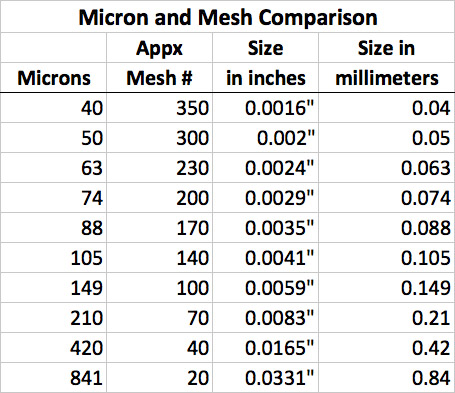
surface media vs depthSurface media is created by weaving or layering metal, paper or synthetic fibres to create a porous surface where the openings are an engineered, relatively consistent size. The woven steel mesh of a suction strainer is a typical example of a surface type filter media. The construction of the mesh leaves precise gaps between the layers of wire, and in this case, is described by the number of layers per square inch. A finer mesh is reflected in a higher number, and also results in finer filtration, meaning the micron size of the openings is smaller. Table 1, at right, shows the comparison between microns and mesh number.

The initial advantage of surface media filtration is they offer low pressure drop due to their relatively large nominal hole sizes. Fluid passes freely through surface media, allowing all particles to pass except those larger than the hole size, which get trapped. As the surface media becomes clogged with particles over time, surface media quickly loses its advantage of low pressure drop. As fewer and fewer open pores allow fluid and particles to pass, pressure drop increases exponentially, and the element needs cleaning or replacing.

Therein lies the second advantage of surface media, especially with strainers; they can be cleaned and replaced. During regular servicing, a suction strainer can be cleaned with a solvent bath and then replaced before enough particles are trapped to cause excessive backpressure.

A depth media uses multiple layers of fibre or foam so that particles can be trapped within the depth of the filter, rather than just on the surface. Because a depth type filter element can be created with multiple layers of increasingly small pore sizes, they provide a dual benefit of trapping many particles of various sizes, and are capable of very high dirt holding capacity before pressure drop increases. The disadvantage is they experience higher pressure drop right out of the gate, especially they’re a lower micron rating.

Depth media is more costly, and is typically given an “absolute” rating, meaning they trap nearly every single particle larger than the filter size its rated for. This is important to consider, since pump, valve and component manufacturers provide minimum requirements of filtration, which must be met using filters with absolute ratings.

A depth media filter element is used most often as the primary filter for contamination removal and offers finer filtration—much finer—than any surface media can offer. A 350 mesh strainer offers an average pore size of 40 microns, and it’s nearly impossible to get much finer than this with surface media. A depth media element using a quality synthetic material can provide absolute filtration down to 3 microns or finer.

Surface media elements for hydraulic machinery are used nearly exclusively with suction strainers, and depth media elements are the standard choice for return-line, pressure and kidney-loop filtration. Although some manufacturers make crossover product—depth media for suction strainers, for example—these products are rare.
You may also like:

  • FilterElement_Hy-Pro_05
    What is Beta Ratio?

  • What are the top 5 forms of hydraulic contamination?
  • shutterstock_490318171-HYDRAULIC-PUMP
    Filter change proves how costly dirt can be to your…

  • Where should you locate hydraulic filters in your system?

Filed Under: Filtration

Reader Interactions

Leave a Reply Cancel reply

Your email address will not be published. Required fields are marked *

This site uses Akismet to reduce spam. Learn how your comment data is processed.

Primary Sidebar

Fluid Power World Digital Editions

Fluid Power World Digital Edition

Browse the most current issue of Fluid Power World and back issues in an easy to use high quality format. Bookmark, share and interact with the leading design engineering magazine today.

Fluid Power Design Guides

fluid
“sact
EXPAND YOUR KNOWLEDGE AND STAY CONNECTED
Get the latest info on technologies, tools and strategies for Fluid Power Professionals.

Meta

  • Log in
  • Entries feed
  • Comments feed
  • WordPress.org

Archives

  • April 2026
  • March 2026
  • February 2026
  • January 2026
  • November 2025
  • October 2025
  • September 2025
  • August 2025
  • July 2025
  • June 2025
  • May 2025
  • April 2025
  • March 2025
  • February 2025
  • January 2025
  • December 2024
  • November 2024
  • October 2024
  • September 2024
  • August 2024
  • July 2024
  • June 2024
  • May 2024
  • April 2024
  • March 2024
  • February 2024
  • January 2024
  • December 2023
  • November 2023
  • October 2023
  • September 2023
  • August 2023
  • July 2023
  • June 2023
  • May 2023
  • April 2023
  • March 2023
  • February 2023
  • January 2023
  • December 2022
  • November 2022
  • October 2022
  • September 2022
  • August 2022
  • July 2022
  • June 2022
  • May 2022
  • April 2022
  • March 2022
  • February 2022
  • January 2022
  • December 2021
  • November 2021
  • October 2021
  • September 2021
  • August 2021
  • July 2021
  • June 2021
  • May 2021
  • April 2021
  • March 2021
  • February 2021
  • January 2021
  • December 2020
  • November 2020
  • October 2020
  • September 2020
  • August 2020
  • July 2020
  • June 2020
  • May 2020
  • April 2020
  • March 2020
  • February 2020
  • January 2020
  • December 2019
  • November 2019
  • October 2019
  • September 2019
  • August 2019
  • July 2019
  • June 2019
  • May 2019
  • April 2019
  • March 2019
  • February 2019
  • January 2019
  • December 2018
  • November 2018
  • October 2018
  • September 2018
  • August 2018
  • July 2018
  • June 2018
  • May 2018
  • April 2018
  • March 2018
  • February 2018
  • January 2018
  • December 2017
  • November 2017
  • October 2017
  • September 2017
  • August 2017
  • July 2017
  • June 2017
  • May 2017
  • April 2017
  • March 2017
  • February 2017
  • January 2017
  • December 2016
  • November 2016
  • October 2016
  • September 2016
  • August 2016
  • July 2016
  • June 2016
  • May 2016
  • April 2016
  • March 2016
  • February 2016
  • January 2016
  • December 2015
  • November 2015
  • September 2015
  • August 2015
  • July 2015
  • June 2015

Recent Comments

    Categories

    • Blogs
    • Contamination Control
    • Featured
    • Filtration
    • Fluids
    • Mobile Hydraulic Tips
    • News
    • Products
    • Seals
    • tanks and reservois
    • Testing Equipment
    • Uncategorized

    Recent Comments

      Archives

      • April 2026
      • March 2026
      • February 2026
      • January 2026
      • November 2025
      • October 2025
      • September 2025
      • August 2025
      • July 2025
      • June 2025
      • May 2025
      • April 2025
      • March 2025
      • February 2025
      • January 2025
      • December 2024
      • November 2024
      • October 2024
      • September 2024
      • August 2024
      • July 2024
      • June 2024
      • May 2024
      • April 2024
      • March 2024
      • February 2024
      • January 2024
      • December 2023
      • November 2023
      • October 2023
      • September 2023
      • August 2023
      • July 2023
      • June 2023
      • May 2023
      • April 2023
      • March 2023
      • February 2023
      • January 2023
      • December 2022
      • November 2022
      • October 2022
      • September 2022
      • August 2022
      • July 2022
      • June 2022
      • May 2022
      • April 2022
      • March 2022
      • February 2022
      • January 2022
      • December 2021
      • November 2021
      • October 2021
      • September 2021
      • August 2021
      • July 2021
      • June 2021
      • May 2021
      • April 2021
      • March 2021
      • February 2021
      • January 2021
      • December 2020
      • November 2020
      • October 2020
      • September 2020
      • August 2020
      • July 2020
      • June 2020
      • May 2020
      • April 2020
      • March 2020
      • February 2020
      • January 2020
      • December 2019
      • November 2019
      • October 2019
      • September 2019
      • August 2019
      • July 2019
      • June 2019
      • May 2019
      • April 2019
      • March 2019
      • February 2019
      • January 2019
      • December 2018
      • November 2018
      • October 2018
      • September 2018
      • August 2018
      • July 2018
      • June 2018
      • May 2018
      • April 2018
      • March 2018
      • February 2018
      • January 2018
      • December 2017
      • November 2017
      • October 2017
      • September 2017
      • August 2017
      • July 2017
      • June 2017
      • May 2017
      • April 2017
      • March 2017
      • February 2017
      • January 2017
      • December 2016
      • November 2016
      • October 2016
      • September 2016
      • August 2016
      • July 2016
      • June 2016
      • May 2016
      • April 2016
      • March 2016
      • February 2016
      • January 2016
      • December 2015
      • November 2015
      • September 2015
      • August 2015
      • July 2015
      • June 2015

      Categories

      • Blogs
      • Contamination Control
      • Featured
      • Filtration
      • Fluids
      • Mobile Hydraulic Tips
      • News
      • Products
      • Seals
      • tanks and reservois
      • Testing Equipment
      • Uncategorized

      Meta

      • Log in
      • Entries feed
      • Comments feed
      • WordPress.org

      Footer

      Sealing and Contamination Tips

      Fluid Power World Digital Network

      • Fluid Power World
      • Mobile Hydraulic Tips
      • Pneumatic Tips
      • Hose Assembly Tips
      • Leadership in Engineering

      Sealing & Contamination Control

      • Subscribe to Fluid Power World
      • Videos
      • Advertise with us
      • About us

      Copyright © 2026 · WTWH Media, LLC · Privacy Policy