• Skip to primary navigation
  • Skip to main content
  • Skip to primary sidebar
  • Skip to footer

Sealing & Contamination Control Tips

Fluid Power Sealing and Contamination Control Information and Resources

  • News
  • Contamination Control
  • Filtration
  • Seals
  • Fluids
  • Design Guides
  • Advertise
  • Subscribe
You are here: Home / Filtration / Smarter ways to fight fluid contamination

Smarter ways to fight fluid contamination

November 17, 2015 By Ken Korane Leave a Comment

Share

Most hydraulics users know that fluid contamination leads to problems. It can raise fluid costs, promote premature component failure and cause unscheduled downtime, just to name a few potential headaches.

“Over the past 10 years, the knowledge base has widened and customers are more aware that contamination is important and it influences performance and costs. Today, most realize that it is an issue that needs to be addressed,” said Dan Zoller, group product manager of filter systems at Schroeder Industries, Leetsdale, Pa.
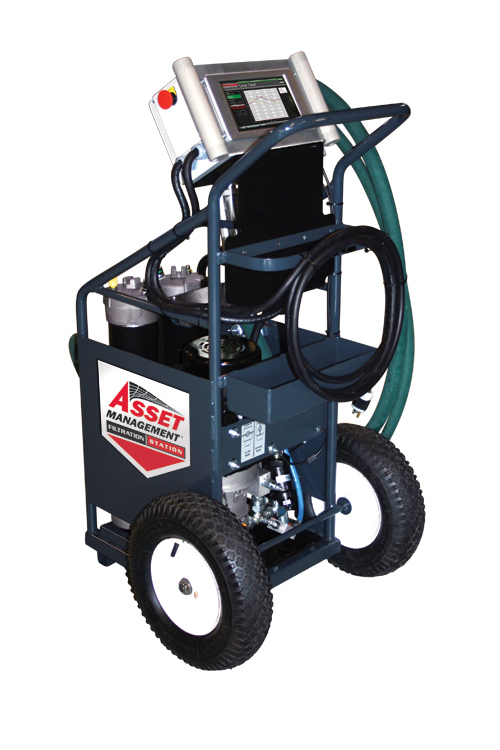
Schroeder-AMFSThe technology behind contamination control has improved, too. Fifteen years ago users had to send fluid samples to a lab for patch tests with a microscope, explained Zoller. “Today, particulate sensors can mount right into a system or device and measure the ISO code in real time. Users get results immediately, rather than waiting a week for a lab report,” he said.

However, even when companies understand the need for proper contamination control, they get poor results if technicians don’t perform scheduled service or managers cannot measure and track fluid conditions due to a lack of accurate information. The situation can be particularly overwhelming when people managing high-value hydraulic and lubrication systems must oversee many machines in large plants or fleets.

To overcome this problem, Schroeder engineers developed the Asset Management Filtration Station (AMFS), an all-in-one system designed to manage cleanliness in hydraulic and lubrication fluids.

The AMFS is housed on a mobile, wheeled cart for easy positioning right at a vehicle or machine. But unlike basic filtration carts, the AMFS not only cleans fluids, it also measures conditions before and after service and tracks all the data needed for trend analysis and record keeping for every machine.

In operation, the cart connects to a tank or barrel and runs in kidney-loop fashion. To initiate operation, touchscreen commands log the AMFS operator, asset (specific vehicle or machine) being tested, the asset’s hours of operation, and the target ISO Cleanliness Class based on the most sensitive component in the hydraulic system.

The unit includes a particle counter to track fluid cleanliness and a water sensor to measure saturation levels. High-capacity dual filters remove particulates as the fluid circulates, and users can specify a water-absorbing element in the first stage to remove free water from the fluid. Filter ratings (such as 3, 5 or 10 µm) are specified according to application requirements, and 1.5-hp motor/pump provides 5-gpm flow.

Finally, an on-board, ruggedized PC records run time, ISO cleanliness code and water saturation level, and it displays graphical and tabular data in real time. Technicians can transfer the information in a Microsoft Excel file via a USB drive to a desktop or plant-maintenance program. It lets plant and fleet managers track the fluid condition and history for each individual asset, as well as the maintenance practices for every AMFS operator.

The state-of-the-art AMFS brings several benefits to users, said Zoller. ”Clean fluid lasts longer, so it doesn’t need to be replaced as often. And it brings down repair costs because parts last longer due to lower contamination levels. A pump that used to last one year might now last three or four years, thanks to better practices.”

It can also reduce the need for lab samples that may cost $35 each, he explains. For instance, companies sampling a hundred trucks every week might now extend it to once a month. “When costs drop by 75% there are clear advantages,” noted Zoller.

And with better and more-complete information, managers can gravitate from preventive to predictive maintenance. Managers not only want to know fluid conditions when equipment needs servicing, but if it’s changing over time. AMFS-generated data can highlight trends. “If, over a year, a truck is coming in with increasingly dirty fluid, perhaps that’s an indicator that a pump or other component needs repair or replacement. Previously, users would wait until something fails, usually in the field. Now they can act earlier by making intelligent decisions based on the data and prevent unforeseen downtime and expense,” said Zoller.

For all these reasons, the system pays for itself, often in just a matter of months, he added. The AMFS operates at temperatures from -20 to 150° F with fluid viscosities up to 1,000 SUS. Typical users include paper and steel-making plants, power-generation facilities, construction and mining sites, refuse and utility truck fleets, and equipment-rental operations.

Schroeder Industries
www.schroederindustries.com

Filed Under: Filtration, News Tagged With: schroeder

Reader Interactions

Leave a Reply Cancel reply

Your email address will not be published. Required fields are marked *

This site uses Akismet to reduce spam. Learn how your comment data is processed.

Primary Sidebar

Fluid Power World Digital Editions

Fluid Power World Digital Edition

Browse the most current issue of Fluid Power World and back issues in an easy to use high quality format. Bookmark, share and interact with the leading design engineering magazine today.

Fluid Power Design Guides

fluid
“sact
EXPAND YOUR KNOWLEDGE AND STAY CONNECTED
Get the latest info on technologies, tools and strategies for Fluid Power Professionals.

Meta

  • Log in
  • Entries feed
  • Comments feed
  • WordPress.org

Archives

  • April 2026
  • March 2026
  • February 2026
  • January 2026
  • November 2025
  • October 2025
  • September 2025
  • August 2025
  • July 2025
  • June 2025
  • May 2025
  • April 2025
  • March 2025
  • February 2025
  • January 2025
  • December 2024
  • November 2024
  • October 2024
  • September 2024
  • August 2024
  • July 2024
  • June 2024
  • May 2024
  • April 2024
  • March 2024
  • February 2024
  • January 2024
  • December 2023
  • November 2023
  • October 2023
  • September 2023
  • August 2023
  • July 2023
  • June 2023
  • May 2023
  • April 2023
  • March 2023
  • February 2023
  • January 2023
  • December 2022
  • November 2022
  • October 2022
  • September 2022
  • August 2022
  • July 2022
  • June 2022
  • May 2022
  • April 2022
  • March 2022
  • February 2022
  • January 2022
  • December 2021
  • November 2021
  • October 2021
  • September 2021
  • August 2021
  • July 2021
  • June 2021
  • May 2021
  • April 2021
  • March 2021
  • February 2021
  • January 2021
  • December 2020
  • November 2020
  • October 2020
  • September 2020
  • August 2020
  • July 2020
  • June 2020
  • May 2020
  • April 2020
  • March 2020
  • February 2020
  • January 2020
  • December 2019
  • November 2019
  • October 2019
  • September 2019
  • August 2019
  • July 2019
  • June 2019
  • May 2019
  • April 2019
  • March 2019
  • February 2019
  • January 2019
  • December 2018
  • November 2018
  • October 2018
  • September 2018
  • August 2018
  • July 2018
  • June 2018
  • May 2018
  • April 2018
  • March 2018
  • February 2018
  • January 2018
  • December 2017
  • November 2017
  • October 2017
  • September 2017
  • August 2017
  • July 2017
  • June 2017
  • May 2017
  • April 2017
  • March 2017
  • February 2017
  • January 2017
  • December 2016
  • November 2016
  • October 2016
  • September 2016
  • August 2016
  • July 2016
  • June 2016
  • May 2016
  • April 2016
  • March 2016
  • February 2016
  • January 2016
  • December 2015
  • November 2015
  • September 2015
  • August 2015
  • July 2015
  • June 2015

Recent Comments

  • Are clogged hydraulic filters better? | Sealing & Contamination Control Tips on What types of hydraulic filters are available?

Categories

  • Blogs
  • Contamination Control
  • Featured
  • Filtration
  • Fluids
  • Mobile Hydraulic Tips
  • News
  • Products
  • Seals
  • tanks and reservois
  • Testing Equipment
  • Uncategorized

Recent Comments

  • Are clogged hydraulic filters better? | Sealing & Contamination Control Tips on What types of hydraulic filters are available?

Archives

  • April 2026
  • March 2026
  • February 2026
  • January 2026
  • November 2025
  • October 2025
  • September 2025
  • August 2025
  • July 2025
  • June 2025
  • May 2025
  • April 2025
  • March 2025
  • February 2025
  • January 2025
  • December 2024
  • November 2024
  • October 2024
  • September 2024
  • August 2024
  • July 2024
  • June 2024
  • May 2024
  • April 2024
  • March 2024
  • February 2024
  • January 2024
  • December 2023
  • November 2023
  • October 2023
  • September 2023
  • August 2023
  • July 2023
  • June 2023
  • May 2023
  • April 2023
  • March 2023
  • February 2023
  • January 2023
  • December 2022
  • November 2022
  • October 2022
  • September 2022
  • August 2022
  • July 2022
  • June 2022
  • May 2022
  • April 2022
  • March 2022
  • February 2022
  • January 2022
  • December 2021
  • November 2021
  • October 2021
  • September 2021
  • August 2021
  • July 2021
  • June 2021
  • May 2021
  • April 2021
  • March 2021
  • February 2021
  • January 2021
  • December 2020
  • November 2020
  • October 2020
  • September 2020
  • August 2020
  • July 2020
  • June 2020
  • May 2020
  • April 2020
  • March 2020
  • February 2020
  • January 2020
  • December 2019
  • November 2019
  • October 2019
  • September 2019
  • August 2019
  • July 2019
  • June 2019
  • May 2019
  • April 2019
  • March 2019
  • February 2019
  • January 2019
  • December 2018
  • November 2018
  • October 2018
  • September 2018
  • August 2018
  • July 2018
  • June 2018
  • May 2018
  • April 2018
  • March 2018
  • February 2018
  • January 2018
  • December 2017
  • November 2017
  • October 2017
  • September 2017
  • August 2017
  • July 2017
  • June 2017
  • May 2017
  • April 2017
  • March 2017
  • February 2017
  • January 2017
  • December 2016
  • November 2016
  • October 2016
  • September 2016
  • August 2016
  • July 2016
  • June 2016
  • May 2016
  • April 2016
  • March 2016
  • February 2016
  • January 2016
  • December 2015
  • November 2015
  • September 2015
  • August 2015
  • July 2015
  • June 2015

Categories

  • Blogs
  • Contamination Control
  • Featured
  • Filtration
  • Fluids
  • Mobile Hydraulic Tips
  • News
  • Products
  • Seals
  • tanks and reservois
  • Testing Equipment
  • Uncategorized

Meta

  • Log in
  • Entries feed
  • Comments feed
  • WordPress.org

Footer

Sealing and Contamination Tips

Fluid Power World Digital Network

  • Fluid Power World
  • Mobile Hydraulic Tips
  • Pneumatic Tips
  • Hose Assembly Tips
  • Leadership in Engineering

Sealing & Contamination Control

  • Subscribe to Fluid Power World
  • Videos
  • Advertise with us
  • About us

Copyright © 2026 · WTWH Media, LLC · Privacy Policy