• Skip to primary navigation
  • Skip to main content
  • Skip to primary sidebar
  • Skip to footer

Sealing & Contamination Control Tips

Fluid Power Sealing and Contamination Control Information and Resources

  • News
  • Contamination Control
  • Filtration
  • Seals
  • Fluids
  • Design Guides
  • Advertise
  • Subscribe
You are here: Home / Contamination Control / Can fluid contamination cause components to fail?

Can fluid contamination cause components to fail?

October 19, 2016 By Paul Heney Leave a Comment

Share

Hydraulic system contamination left unchecked can result in operating failure, expensive equipment damage and major downtime. There are many sources for possible contamination, from both outside and inside the system. Often, hydraulic system contamination can be prevented before it starts if the system is designed correctly to minimize and prevent contamination, according to Lih Fang Chew, global VP marketing for Quadion LLC.

contamination2a
Uninterrupted, contaminant-free hydraulic system operation often requires a robust sealing solution. Using Minnesota Rubber and Plastics’ new Quniton elastomer material, sealing assemblies like that pictured is ensured due to the low CoE (<0.25µ).

“The goal of every designer should include consideration of ways to avert 90% of the sources that cause contamination,” Chew said. ”According to numerous widely published studies, these major contaminants include: water (condensation), dirt, debris and wear particles. The question for the designer is how to best prevent these materials from entering and mixing with hydraulic fluids.”

Identify potential contamination issues
It is important to start first with the requirements for the system’s sealing design and the materials needed to do the job properly.
contamination3a
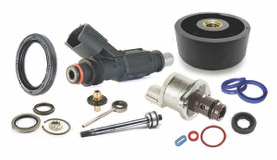
Seals molded of Quniton are designed to have a low CoF, and resist bonding or sticking to a wide range of materials in the newest, heavy-duty hydraulic systems. Lower CoF has many benefits, including enhanced product lifespan due to reduced wear and abrasion. Also, in manufacturing assembly operations, this material has unique properties, meaning less surface preparation requirements and faster assembly.

“Getting that right will prevent all kinds of downstream problems,” said Chew. “Because hydraulic fluid contamination from outside debris is often caused by the breakdown of materials used to seal the system, the material used is critically important. Wear particles (from elastomers of mating components, for example) can result from a bad hydraulic system design using inferior materials and poor manufacturing tolerances. Similarly, contamination may occur internally in the system because of sealing material incompatibility with the heat, pressures and chemical makeup of the hydraulic fluids.”

Other factors to consider in contamination are the demands of new hydraulic system designs that put a greater burden on the hydraulic mechanisms that drive and control these new products.

“Hydraulic system designs continue to be tweaked, redesigned and improved,” Chew said. “Often, the design itself has come to the point where the sealing materials used are just as important as the design when establishing reliability in an industry leading product such as a new off-highway construction vehicle. Even though hydraulic technology has existed for hundreds of years, new product designs in which hydraulic systems are used require improvement as well. Note how construction vehicles have increased in size and complexity over the years. With those changes have come the need for more complex and robust hydraulic systems to drive and control their operation. So the material used for sealing—its design formulation, configuration and manufacture—will have a major impact on eliminating contaminated hydraulic fluid.”
contamination4a
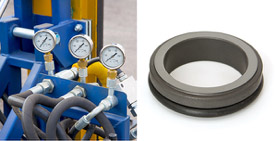
Many hydraulic systems have a unique design that requires customized seal formulation and manufacture.

Seals and sealing
While durable elastomer seals and sealing devices have been used for more than 100 years, over time the molding of these materials has become highly specialized, precise and automated. But providing an efficiently made, molded component or assembly is not always enough for the demands of hydraulic system users. For that reason, elastomer researchers and processors have designed elastomer formulas with inherent characteristics built into the polymers. These characteristics include strength, durability and flexibility.

“Over time, many of these advancements still are not enough—quality, in-field performance, liability and other concerns can also dominate,” said Chew. As a result, the manufacturing technology pushes the limits on material design including these factors:

• Characteristics of the elastomers.
• How these elastomers interact with hydraulic fluids as well as chemicals in their environment.
• Temperature tolerance in extreme heat and cold conditions while maintaining all inherent characteristics.
• How the sealed hydraulics maintain integrity and performance during use.

By Joyce Laird

Filed Under: Contamination Control

Reader Interactions

Leave a Reply Cancel reply

Your email address will not be published. Required fields are marked *

This site uses Akismet to reduce spam. Learn how your comment data is processed.

Primary Sidebar

Fluid Power World Digital Editions

Fluid Power World Digital Edition

Browse the most current issue of Fluid Power World and back issues in an easy to use high quality format. Bookmark, share and interact with the leading design engineering magazine today.

Fluid Power Design Guides

fluid
“sact
EXPAND YOUR KNOWLEDGE AND STAY CONNECTED
Get the latest info on technologies, tools and strategies for Fluid Power Professionals.

Meta

  • Log in
  • Entries feed
  • Comments feed
  • WordPress.org

Archives

  • April 2026
  • March 2026
  • February 2026
  • January 2026
  • November 2025
  • October 2025
  • September 2025
  • August 2025
  • July 2025
  • June 2025
  • May 2025
  • April 2025
  • March 2025
  • February 2025
  • January 2025
  • December 2024
  • November 2024
  • October 2024
  • September 2024
  • August 2024
  • July 2024
  • June 2024
  • May 2024
  • April 2024
  • March 2024
  • February 2024
  • January 2024
  • December 2023
  • November 2023
  • October 2023
  • September 2023
  • August 2023
  • July 2023
  • June 2023
  • May 2023
  • April 2023
  • March 2023
  • February 2023
  • January 2023
  • December 2022
  • November 2022
  • October 2022
  • September 2022
  • August 2022
  • July 2022
  • June 2022
  • May 2022
  • April 2022
  • March 2022
  • February 2022
  • January 2022
  • December 2021
  • November 2021
  • October 2021
  • September 2021
  • August 2021
  • July 2021
  • June 2021
  • May 2021
  • April 2021
  • March 2021
  • February 2021
  • January 2021
  • December 2020
  • November 2020
  • October 2020
  • September 2020
  • August 2020
  • July 2020
  • June 2020
  • May 2020
  • April 2020
  • March 2020
  • February 2020
  • January 2020
  • December 2019
  • November 2019
  • October 2019
  • September 2019
  • August 2019
  • July 2019
  • June 2019
  • May 2019
  • April 2019
  • March 2019
  • February 2019
  • January 2019
  • December 2018
  • November 2018
  • October 2018
  • September 2018
  • August 2018
  • July 2018
  • June 2018
  • May 2018
  • April 2018
  • March 2018
  • February 2018
  • January 2018
  • December 2017
  • November 2017
  • October 2017
  • September 2017
  • August 2017
  • July 2017
  • June 2017
  • May 2017
  • April 2017
  • March 2017
  • February 2017
  • January 2017
  • December 2016
  • November 2016
  • October 2016
  • September 2016
  • August 2016
  • July 2016
  • June 2016
  • May 2016
  • April 2016
  • March 2016
  • February 2016
  • January 2016
  • December 2015
  • November 2015
  • September 2015
  • August 2015
  • July 2015
  • June 2015

Recent Comments

  • Are clogged hydraulic filters better? | Sealing & Contamination Control Tips on What types of hydraulic filters are available?

Categories

  • Blogs
  • Contamination Control
  • Featured
  • Filtration
  • Fluids
  • Mobile Hydraulic Tips
  • News
  • Products
  • Seals
  • tanks and reservois
  • Testing Equipment
  • Uncategorized

Recent Comments

  • Are clogged hydraulic filters better? | Sealing & Contamination Control Tips on What types of hydraulic filters are available?

Archives

  • April 2026
  • March 2026
  • February 2026
  • January 2026
  • November 2025
  • October 2025
  • September 2025
  • August 2025
  • July 2025
  • June 2025
  • May 2025
  • April 2025
  • March 2025
  • February 2025
  • January 2025
  • December 2024
  • November 2024
  • October 2024
  • September 2024
  • August 2024
  • July 2024
  • June 2024
  • May 2024
  • April 2024
  • March 2024
  • February 2024
  • January 2024
  • December 2023
  • November 2023
  • October 2023
  • September 2023
  • August 2023
  • July 2023
  • June 2023
  • May 2023
  • April 2023
  • March 2023
  • February 2023
  • January 2023
  • December 2022
  • November 2022
  • October 2022
  • September 2022
  • August 2022
  • July 2022
  • June 2022
  • May 2022
  • April 2022
  • March 2022
  • February 2022
  • January 2022
  • December 2021
  • November 2021
  • October 2021
  • September 2021
  • August 2021
  • July 2021
  • June 2021
  • May 2021
  • April 2021
  • March 2021
  • February 2021
  • January 2021
  • December 2020
  • November 2020
  • October 2020
  • September 2020
  • August 2020
  • July 2020
  • June 2020
  • May 2020
  • April 2020
  • March 2020
  • February 2020
  • January 2020
  • December 2019
  • November 2019
  • October 2019
  • September 2019
  • August 2019
  • July 2019
  • June 2019
  • May 2019
  • April 2019
  • March 2019
  • February 2019
  • January 2019
  • December 2018
  • November 2018
  • October 2018
  • September 2018
  • August 2018
  • July 2018
  • June 2018
  • May 2018
  • April 2018
  • March 2018
  • February 2018
  • January 2018
  • December 2017
  • November 2017
  • October 2017
  • September 2017
  • August 2017
  • July 2017
  • June 2017
  • May 2017
  • April 2017
  • March 2017
  • February 2017
  • January 2017
  • December 2016
  • November 2016
  • October 2016
  • September 2016
  • August 2016
  • July 2016
  • June 2016
  • May 2016
  • April 2016
  • March 2016
  • February 2016
  • January 2016
  • December 2015
  • November 2015
  • September 2015
  • August 2015
  • July 2015
  • June 2015

Categories

  • Blogs
  • Contamination Control
  • Featured
  • Filtration
  • Fluids
  • Mobile Hydraulic Tips
  • News
  • Products
  • Seals
  • tanks and reservois
  • Testing Equipment
  • Uncategorized

Meta

  • Log in
  • Entries feed
  • Comments feed
  • WordPress.org

Footer

Sealing and Contamination Tips

Fluid Power World Digital Network

  • Fluid Power World
  • Mobile Hydraulic Tips
  • Pneumatic Tips
  • Hose Assembly Tips
  • Leadership in Engineering

Sealing & Contamination Control

  • Subscribe to Fluid Power World
  • Videos
  • Advertise with us
  • About us

Copyright © 2026 · WTWH Media, LLC · Privacy Policy