• Skip to primary navigation
  • Skip to main content
  • Skip to primary sidebar
  • Skip to footer

Sealing & Contamination Control Tips

Fluid Power Sealing and Contamination Control Information and Resources

  • News
  • Contamination Control
  • Filtration
  • Seals
  • Fluids
  • Design Guides
  • Advertise
  • Subscribe
You are here: Home / Contamination Control / How to ensure hydraulic fluid cleanliness outside of filtration

How to ensure hydraulic fluid cleanliness outside of filtration

May 31, 2023 By Mary Gannon Leave a Comment

Share

Hydraulic fluid cleanliness is crucial for hydraulic systems’ reliable operation and longevity. However, while filtration is critical in keeping hydraulic fluid clean, it is not the only factor that impacts fluid cleanliness. This article will discuss some tips to ensure hydraulic fluid cleanliness aside from the obvious filtration itself.
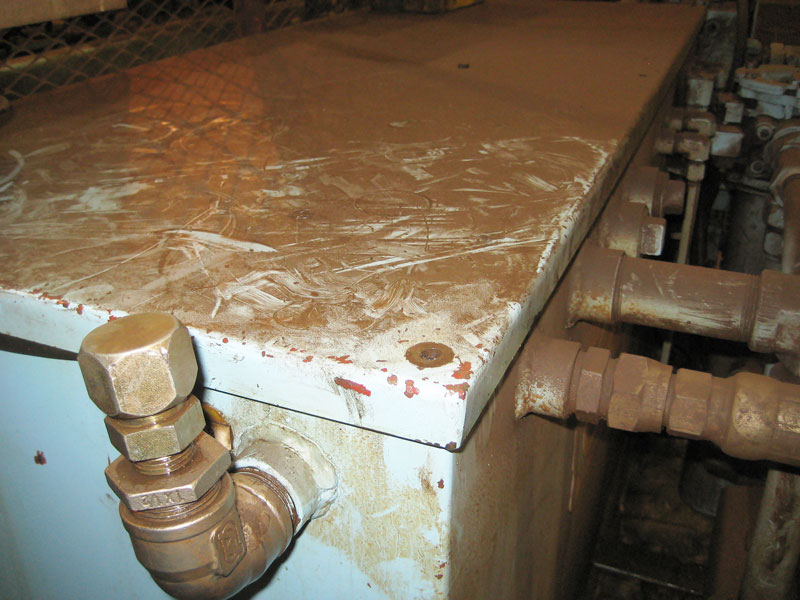
Cleaning hydraulic reservoirs regularly, like this one that's covered with dirt, can prevent contamination, especially before filling with clean oil.
Cleaning hydraulic reservoirs regularly, like this one that’s covered with dirt, can prevent contamination, especially before filling with clean oil. Image courtesy of CD Industrial Group

One of the most important steps you can take to ensure hydraulic fluid cleanliness is to prevent contamination in the first place. Contamination often occurs when adding new fluid, transferring fluid between systems, or performing maintenance on hydraulic components. Therefore, using clean containers and equipment and following proper procedures when adding or changing hydraulic fluid is essential. Using dedicated equipment for each fluid type can also prevent cross-contamination, just in case you have multiple machine types with different fluids, such as mineral and water glycol.

Regular system maintenance is also essential for keeping hydraulic fluid clean. Over time, hydraulic systems will accumulate debris and other contaminants, which can lead to component wear and eventual system failure. To prevent this, it’s essential to perform regular system maintenance, including flushing the system periodically, replacing worn components, and cleaning reservoirs and other hydraulic system components. Although hydraulic oil should last indefinitely, even the most stringent cleanliness programs allow for the slow buildup of dirt and sludge over years of operation.

You can also ensure hydraulic fluid cleanliness by avoiding overloading the system beyond its rated capacity. Overloading a hydraulic system can cause it to generate excessive heat, leading to the breakdown of hydraulic fluid and increased force against moving parts. This excessive wear and tear on hydraulic components generate wear particles from bronze, brass, steel and other contaminants into the hydraulic fluid.

Proper storage and handling of hydraulic fluid is also crucial for ensuring fluid cleanliness. Fluid should be stored in a clean, dry, and climate-controlled environment to prevent contamination from moisture and other elements. It is also essential to avoid prolonged exposure to sunlight, which can cause fluid degradation. When handling hydraulic fluid, it is crucial to avoid spilling or splashing, as this can introduce contaminants. It’s widely known that new fluid requires filtration before use, so avoid creating additional headaches by adding unnecessary dirt and particles.
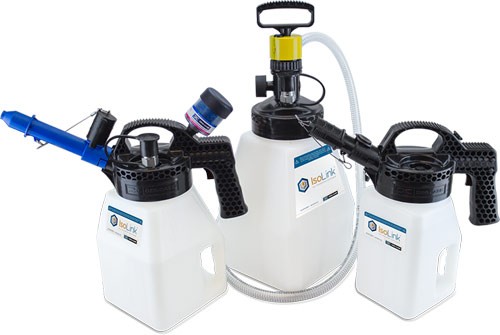
Des-Case-IsoLink-Family_web
Fluid transfer containers, like the IsoLink ones here from Des-Case, help prevent cross contamination by ensuring dedicated containers are used for specific fluids. They also prevent leaks during transfer

Properly trained personnel are also essential for ensuring hydraulic fluid cleanliness. Maintenance staff who work on your hydraulic systems should receive training on proper handling procedures, including using dedicated equipment, avoiding cross-contamination, and regular system maintenance. Knowing they should fill a reservoir through a closed system, such as a filter cart connected to quick couplers on the reservoir, will ensure that any oil entering your system is guaranteed clean.

Finally, something simple as high-quality hydraulic oil might surprise you to find help with fluid cleanliness. High-quality hydraulic fluid has superior lubricity, which prevents wear, and other forms of contamination, leading to longer fluid life and better system performance. In addition, choosing the correct hydraulic fluid for your system can help prevent internally-generated contamination from acting like a lapping compound and further exacerbating particle creation.

As you can see, there are several other factors to consider when preventing contamination, not just by an intelligent filter program. Contamination comes with many evil faces, so by following these tips, you can help ensure hydraulic fluid cleanliness and the prevention of unnecessary component failure.


You may also like:

  • If hydraulic oil appears a darker brown color, oxidation may have burned the oil or resulted in circulating sludge. If you notice any discoloration, it is essential to have the oil tested to determine the source of the contamination and correct the problem before it’s not too late. Image courtesy of CD Industrial Group/LunchBox Sessions
    What are the least common symptoms of contamination?
  • Inline contamination monitor automatically measures hydraulic fluid particulate contamination, moisture and temperature.
    Hydraulic filters continue to evolve
  • Eaton’s CCS 5 contamination control system is a mobile instrument that determines the solid contamination particle size distribution, water saturation and temperature of hydraulic fluids in real-time.
    Contamination control system provides real-time snapshot of hydraulic fluid health
  • Parker has created a wireless and remote particle monitoring system combining its SensoNODE™ IoT technology and particle detector.
    Remote monitoring of hydraulic fluid particles reduces costs and downtime
  • TT95R series PowerGuard return line filter element Image courtesy of Todd Technologies Inc - TTI
    Why should you use return filters in your hydraulic system?
  • Hydraulic fluids on mobile machinery temperature
    Why modern equipment can benefit from higher-performance hydraulic fluids

Filed Under: Blogs, Contamination Control, Featured, Filtration, Fluids

Reader Interactions

Leave a Reply Cancel reply

Your email address will not be published. Required fields are marked *

This site uses Akismet to reduce spam. Learn how your comment data is processed.

Primary Sidebar

Fluid Power World Digital Editions

Fluid Power World Digital Edition

Browse the most current issue of Fluid Power World and back issues in an easy to use high quality format. Bookmark, share and interact with the leading design engineering magazine today.

Fluid Power Design Guides

fluid
“sact
EXPAND YOUR KNOWLEDGE AND STAY CONNECTED
Get the latest info on technologies, tools and strategies for Fluid Power Professionals.

Meta

  • Log in
  • Entries feed
  • Comments feed
  • WordPress.org

Archives

  • April 2026
  • March 2026
  • February 2026
  • January 2026
  • November 2025
  • October 2025
  • September 2025
  • August 2025
  • July 2025
  • June 2025
  • May 2025
  • April 2025
  • March 2025
  • February 2025
  • January 2025
  • December 2024
  • November 2024
  • October 2024
  • September 2024
  • August 2024
  • July 2024
  • June 2024
  • May 2024
  • April 2024
  • March 2024
  • February 2024
  • January 2024
  • December 2023
  • November 2023
  • October 2023
  • September 2023
  • August 2023
  • July 2023
  • June 2023
  • May 2023
  • April 2023
  • March 2023
  • February 2023
  • January 2023
  • December 2022
  • November 2022
  • October 2022
  • September 2022
  • August 2022
  • July 2022
  • June 2022
  • May 2022
  • April 2022
  • March 2022
  • February 2022
  • January 2022
  • December 2021
  • November 2021
  • October 2021
  • September 2021
  • August 2021
  • July 2021
  • June 2021
  • May 2021
  • April 2021
  • March 2021
  • February 2021
  • January 2021
  • December 2020
  • November 2020
  • October 2020
  • September 2020
  • August 2020
  • July 2020
  • June 2020
  • May 2020
  • April 2020
  • March 2020
  • February 2020
  • January 2020
  • December 2019
  • November 2019
  • October 2019
  • September 2019
  • August 2019
  • July 2019
  • June 2019
  • May 2019
  • April 2019
  • March 2019
  • February 2019
  • January 2019
  • December 2018
  • November 2018
  • October 2018
  • September 2018
  • August 2018
  • July 2018
  • June 2018
  • May 2018
  • April 2018
  • March 2018
  • February 2018
  • January 2018
  • December 2017
  • November 2017
  • October 2017
  • September 2017
  • August 2017
  • July 2017
  • June 2017
  • May 2017
  • April 2017
  • March 2017
  • February 2017
  • January 2017
  • December 2016
  • November 2016
  • October 2016
  • September 2016
  • August 2016
  • July 2016
  • June 2016
  • May 2016
  • April 2016
  • March 2016
  • February 2016
  • January 2016
  • December 2015
  • November 2015
  • September 2015
  • August 2015
  • July 2015
  • June 2015

Recent Comments

  • Are clogged hydraulic filters better? | Sealing & Contamination Control Tips on What types of hydraulic filters are available?

Categories

  • Blogs
  • Contamination Control
  • Featured
  • Filtration
  • Fluids
  • Mobile Hydraulic Tips
  • News
  • Products
  • Seals
  • tanks and reservois
  • Testing Equipment
  • Uncategorized

Recent Comments

  • Are clogged hydraulic filters better? | Sealing & Contamination Control Tips on What types of hydraulic filters are available?

Archives

  • April 2026
  • March 2026
  • February 2026
  • January 2026
  • November 2025
  • October 2025
  • September 2025
  • August 2025
  • July 2025
  • June 2025
  • May 2025
  • April 2025
  • March 2025
  • February 2025
  • January 2025
  • December 2024
  • November 2024
  • October 2024
  • September 2024
  • August 2024
  • July 2024
  • June 2024
  • May 2024
  • April 2024
  • March 2024
  • February 2024
  • January 2024
  • December 2023
  • November 2023
  • October 2023
  • September 2023
  • August 2023
  • July 2023
  • June 2023
  • May 2023
  • April 2023
  • March 2023
  • February 2023
  • January 2023
  • December 2022
  • November 2022
  • October 2022
  • September 2022
  • August 2022
  • July 2022
  • June 2022
  • May 2022
  • April 2022
  • March 2022
  • February 2022
  • January 2022
  • December 2021
  • November 2021
  • October 2021
  • September 2021
  • August 2021
  • July 2021
  • June 2021
  • May 2021
  • April 2021
  • March 2021
  • February 2021
  • January 2021
  • December 2020
  • November 2020
  • October 2020
  • September 2020
  • August 2020
  • July 2020
  • June 2020
  • May 2020
  • April 2020
  • March 2020
  • February 2020
  • January 2020
  • December 2019
  • November 2019
  • October 2019
  • September 2019
  • August 2019
  • July 2019
  • June 2019
  • May 2019
  • April 2019
  • March 2019
  • February 2019
  • January 2019
  • December 2018
  • November 2018
  • October 2018
  • September 2018
  • August 2018
  • July 2018
  • June 2018
  • May 2018
  • April 2018
  • March 2018
  • February 2018
  • January 2018
  • December 2017
  • November 2017
  • October 2017
  • September 2017
  • August 2017
  • July 2017
  • June 2017
  • May 2017
  • April 2017
  • March 2017
  • February 2017
  • January 2017
  • December 2016
  • November 2016
  • October 2016
  • September 2016
  • August 2016
  • July 2016
  • June 2016
  • May 2016
  • April 2016
  • March 2016
  • February 2016
  • January 2016
  • December 2015
  • November 2015
  • September 2015
  • August 2015
  • July 2015
  • June 2015

Categories

  • Blogs
  • Contamination Control
  • Featured
  • Filtration
  • Fluids
  • Mobile Hydraulic Tips
  • News
  • Products
  • Seals
  • tanks and reservois
  • Testing Equipment
  • Uncategorized

Meta

  • Log in
  • Entries feed
  • Comments feed
  • WordPress.org

Footer

Sealing and Contamination Tips

Fluid Power World Digital Network

  • Fluid Power World
  • Mobile Hydraulic Tips
  • Pneumatic Tips
  • Hose Assembly Tips
  • Leadership in Engineering

Sealing & Contamination Control

  • Subscribe to Fluid Power World
  • Videos
  • Advertise with us
  • About us

Copyright © 2026 · WTWH Media, LLC · Privacy Policy