
• Skip to primary navigation
  • Skip to main content
  • Skip to primary sidebar
  • Skip to footer

Sealing & Contamination Control Tips

Fluid Power Sealing and Contamination Control Information and Resources

  • News
  • Contamination Control
  • Filtration
  • Seals
  • Fluids
  • Design Guides
  • Advertise
  • Subscribe
You are here: Home / Blogs / Why is it important to minimize overheating in your hydraulic system?

Why is it important to minimize overheating in your hydraulic system?

September 8, 2016 By Mary Gannon Leave a Comment

Share
noshok-820-821-series-dig-temp-ind_group-with-numbers-high-res_group minimize overheating in your hydraulic system
Monitoring oil temperature with gauges like the 820/821 Series digital temperature gauges from Noshok is necessary to maintain fluid ranges between 110 and 130° F.

By Dave Marlowe, Owner/CEO, DMAR Technical Training and DMAR Business Centers USA

In a previous article, I stated that the most important consideration in the selection of a hydraulic fluid was selecting an oil of the right viscosity. I also explained the difference between viscosity and viscosity index. Now we’ll share insights for the operator and maintenance person responsible to help minimize overheating in your hydraulic system.

Minimize, maintain and prevent system overheating
Maintaining a normal oil temperature in all hydraulic systems is important for successful system operation. Normal operating temperatures for hydraulic systems is 110 to 130° F (unless specified by the equipment manufacturer). If the oil temperature is maintained in the normal range, all the system components will operate efficiently and do what they are designed to do—the pump will create flow; the valves will isolate, direct or regulate flow; the actuator will extend or retract while transferring energy to do work; and seals will prevent internal slippage.

Maintaining normal oil temperature also reduces undesirable chemical compounds such as acids—not to mention sludge build up in the system. Undesirable compounds in the oil from excessive temperatures not only affect the viscosity index and system equipment operation but will cause accelerated wear on the moving parts. This can lead to premature equipment failure. It’s important to note that hydraulic systems are permitted to operate in a temperature range of 130 to 160° F; however, temperatures this high will reduce the lifespan of system components and increase the chances of a system breakdown.

Mobile units seem to run at higher than normal temperatures. Keeping the oil temperature below 160° F is a challenge, as there is no practical way of removing heat. Because mobile units aren’t run like an industrial system, attention to the oil’s additive package, and a preventative maintenance schedule where the oil is changed based on the severity of operation (annually, number of hours of operation, etc.) is a necessity.
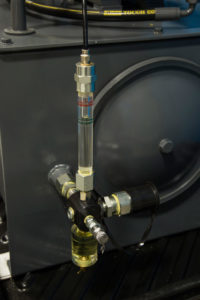
descase-closeup-reservoir-sight-glass
Oil sight glasses, indicators and level monitors should be installed on all reservoirs to allow for visual inspection of fluid levels and qualities.
Image courtesy of Des-Case Corp.

It is imperative that the operator monitor oil temperatures when the system is in operation. If the oil temperature rises above normal operating temperature, finding the cause in a timely manner will reduce the odds of system breakdown. Manufacturer service manuals contain a troubleshooting section that list the possible causes. If you don’t have a service manual, carefully examine the following:

  • Application—Ensure the system is operating within its limits (the system is not being asked to do more than it was designed for).
  • Relief valve—This should be set at the lowest pressure setting that allows actuator operation. (Anytime you have flow across a pressure drop without work being accomplished, there is heat generated).
  • Reservoir—Check proper oil level; it should be three times pump capacity. Also confirm that the reservoir is not covered with dirt or oil and all sides, top and bottom are open and free to air currents. The reservoir should be free of external heat sources in direct contact with the reservoir and components (this includes direct sunlight).
  • Pump unloading—Make sure that the pressure in the pump line falls to a low value when the actuators are not operating.
  • Speed controls—If flow control valves are supplying excessive power to the cylinder but not doing any work, ensure proper actuator speed by reviewing all pressure-compensated flow control valves and manual flow control valves (needle valve).
  • Pressure reducing valve—Heat is generated across the metering orifice.

Normal component and system operation require that the oil temperature is maintained in the normal temperature range. If the system temperature runs above normal and you decide to incorporate a heat exchanger, proper heat exchanger size and efforts to prevent the addition of cooling water into the hydraulic system is imperative.

DMAR Technical Training
dmartechtraining.biz

Filed Under: Blogs, Featured, Fluids

Reader Interactions

Leave a Reply Cancel reply

Your email address will not be published. Required fields are marked *

This site uses Akismet to reduce spam. Learn how your comment data is processed.

Primary Sidebar

Fluid Power World Digital Editions

Fluid Power World Digital Edition

Browse the most current issue of Fluid Power World and back issues in an easy to use high quality format. Bookmark, share and interact with the leading design engineering magazine today.

Fluid Power Design Guides

fluid
“sact
EXPAND YOUR KNOWLEDGE AND STAY CONNECTED
Get the latest info on technologies, tools and strategies for Fluid Power Professionals.

Meta

  • Log in
  • Entries feed
  • Comments feed
  • WordPress.org

Archives

  • April 2026
  • March 2026
  • February 2026
  • January 2026
  • November 2025
  • October 2025
  • September 2025
  • August 2025
  • July 2025
  • June 2025
  • May 2025
  • April 2025
  • March 2025
  • February 2025
  • January 2025
  • December 2024
  • November 2024
  • October 2024
  • September 2024
  • August 2024
  • July 2024
  • June 2024
  • May 2024
  • April 2024
  • March 2024
  • February 2024
  • January 2024
  • December 2023
  • November 2023
  • October 2023
  • September 2023
  • August 2023
  • July 2023
  • June 2023
  • May 2023
  • April 2023
  • March 2023
  • February 2023
  • January 2023
  • December 2022
  • November 2022
  • October 2022
  • September 2022
  • August 2022
  • July 2022
  • June 2022
  • May 2022
  • April 2022
  • March 2022
  • February 2022
  • January 2022
  • December 2021
  • November 2021
  • October 2021
  • September 2021
  • August 2021
  • July 2021
  • June 2021
  • May 2021
  • April 2021
  • March 2021
  • February 2021
  • January 2021
  • December 2020
  • November 2020
  • October 2020
  • September 2020
  • August 2020
  • July 2020
  • June 2020
  • May 2020
  • April 2020
  • March 2020
  • February 2020
  • January 2020
  • December 2019
  • November 2019
  • October 2019
  • September 2019
  • August 2019
  • July 2019
  • June 2019
  • May 2019
  • April 2019
  • March 2019
  • February 2019
  • January 2019
  • December 2018
  • November 2018
  • October 2018
  • September 2018
  • August 2018
  • July 2018
  • June 2018
  • May 2018
  • April 2018
  • March 2018
  • February 2018
  • January 2018
  • December 2017
  • November 2017
  • October 2017
  • September 2017
  • August 2017
  • July 2017
  • June 2017
  • May 2017
  • April 2017
  • March 2017
  • February 2017
  • January 2017
  • December 2016
  • November 2016
  • October 2016
  • September 2016
  • August 2016
  • July 2016
  • June 2016
  • May 2016
  • April 2016
  • March 2016
  • February 2016
  • January 2016
  • December 2015
  • November 2015
  • September 2015
  • August 2015
  • July 2015
  • June 2015

Recent Comments

    Categories

    • Blogs
    • Contamination Control
    • Featured
    • Filtration
    • Fluids
    • Mobile Hydraulic Tips
    • News
    • Products
    • Seals
    • tanks and reservois
    • Testing Equipment
    • Uncategorized

    Recent Comments

      Archives

      • April 2026
      • March 2026
      • February 2026
      • January 2026
      • November 2025
      • October 2025
      • September 2025
      • August 2025
      • July 2025
      • June 2025
      • May 2025
      • April 2025
      • March 2025
      • February 2025
      • January 2025
      • December 2024
      • November 2024
      • October 2024
      • September 2024
      • August 2024
      • July 2024
      • June 2024
      • May 2024
      • April 2024
      • March 2024
      • February 2024
      • January 2024
      • December 2023
      • November 2023
      • October 2023
      • September 2023
      • August 2023
      • July 2023
      • June 2023
      • May 2023
      • April 2023
      • March 2023
      • February 2023
      • January 2023
      • December 2022
      • November 2022
      • October 2022
      • September 2022
      • August 2022
      • July 2022
      • June 2022
      • May 2022
      • April 2022
      • March 2022
      • February 2022
      • January 2022
      • December 2021
      • November 2021
      • October 2021
      • September 2021
      • August 2021
      • July 2021
      • June 2021
      • May 2021
      • April 2021
      • March 2021
      • February 2021
      • January 2021
      • December 2020
      • November 2020
      • October 2020
      • September 2020
      • August 2020
      • July 2020
      • June 2020
      • May 2020
      • April 2020
      • March 2020
      • February 2020
      • January 2020
      • December 2019
      • November 2019
      • October 2019
      • September 2019
      • August 2019
      • July 2019
      • June 2019
      • May 2019
      • April 2019
      • March 2019
      • February 2019
      • January 2019
      • December 2018
      • November 2018
      • October 2018
      • September 2018
      • August 2018
      • July 2018
      • June 2018
      • May 2018
      • April 2018
      • March 2018
      • February 2018
      • January 2018
      • December 2017
      • November 2017
      • October 2017
      • September 2017
      • August 2017
      • July 2017
      • June 2017
      • May 2017
      • April 2017
      • March 2017
      • February 2017
      • January 2017
      • December 2016
      • November 2016
      • October 2016
      • September 2016
      • August 2016
      • July 2016
      • June 2016
      • May 2016
      • April 2016
      • March 2016
      • February 2016
      • January 2016
      • December 2015
      • November 2015
      • September 2015
      • August 2015
      • July 2015
      • June 2015

      Categories

      • Blogs
      • Contamination Control
      • Featured
      • Filtration
      • Fluids
      • Mobile Hydraulic Tips
      • News
      • Products
      • Seals
      • tanks and reservois
      • Testing Equipment
      • Uncategorized

      Meta

      • Log in
      • Entries feed
      • Comments feed
      • WordPress.org

      Footer

      Sealing and Contamination Tips

      Fluid Power World Digital Network

      • Fluid Power World
      • Mobile Hydraulic Tips
      • Pneumatic Tips
      • Hose Assembly Tips
      • Leadership in Engineering

      Sealing & Contamination Control

      • Subscribe to Fluid Power World
      • Videos
      • Advertise with us
      • About us

      Copyright © 2026 · WTWH Media, LLC · Privacy Policy