• Skip to primary navigation
  • Skip to main content
  • Skip to primary sidebar
  • Skip to footer

Sealing & Contamination Control Tips

Fluid Power Sealing and Contamination Control Information and Resources

  • News
  • Contamination Control
  • Filtration
  • Seals
  • Fluids
  • Design Guides
  • Advertise
  • Subscribe
You are here: Home / Fluids / Hydraulic oil analysis part 5 — acidity and its impacts

Hydraulic oil analysis part 5 — acidity and its impacts

September 11, 2024 By Mary Gannon Leave a Comment

Share

By Josh Cosford, Contributing Editor

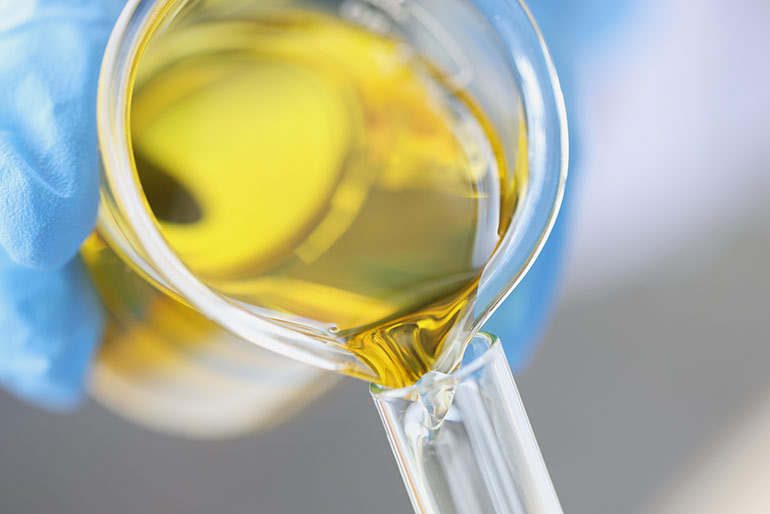
In part 5 of this series covering hydraulic oil analysis, we move on to discuss acidity. As it pertains to hydraulic oil, we need to know the total amount of acidic substances found within the sample. Most commonly referred to as the Total Acid Number, or TAN for short, the lab will test the oil to tell you how overall acidic your oil is.
hydraulic oil analysis acidity testing AdobeStock_445360517

A higher TAN indicates the presence of more acidic compounds, which can result from oxidation, contamination, or the degradation of oil additives. Elevated TAN values can lead to corrosion, increased wear, and potential damage to internal components. Regular monitoring of TAN helps assess the oil’s condition, age, and effectiveness since a poor result in this test may also mean your additive package is depleted and oil viscosity is increasing.

The source of acid could be one or more of many. Acidic organic compounds may have resulted from excessive heat and oxidation, fuel contamination may create sulfuric acid, and degraded phosphate ester may result in phosphoric acid, which is no surprise.

Acid can also be created within the oil itself, as temperature-related oxidation can lead to the formation of carboxylic acid. When you throw water contamination into the mix, hydrolysis may lead to the formation of organic acids, especially with synthetic fluids. And perhaps most (or least) surprisingly, microbial growth may lead to acidic metabolic byproducts, especially with water-based fluids.

No matter the source, you must not confuse the acid number with pH, which is more of an expression of oil’s corrosiveness, while the acid number describes the actual level of acidic levels in your oil. If your heavy equipment mechanic spilled his Mike’s Hard Lemonade in the reservoir during his Friday afternoon shift on a long weekend, you can expect your TAN to increase accordingly.

If not measuring pH, how do we measure the Total Acid Number? TAN is a proxy measurement done by adding a base until all the acids have been neutralized. The most commonly used base is potassium hydroxide, which is titrated gradually, and then the final calculation is based upon the amount of chemical used to neutralize the acid.

The lab’s test result tells you how many milligrams of potassium hydroxide (KOH) are needed to neutralize one gram of sample oil, and the unit is expressed as mg of KOH/g. For example, your test sample may come back with the number 0.5 mg of KOH/g; you may not worry much unless the result is 1.0 or higher, depending on the type of hydraulic fluid. With their expertise, your test lab will advise you if the result is concerning, providing you with the guidance and support you need.

Unless extremely excessive, the measurement trend is more important than the absolute amount. If the concentration of acids increases with every sample interval, then you need to address it through various methods, depending on the source of the acid.

In most cases, especially with old oil, replacing depleted additives can improve oil quality and reduce acidity. If your machine’s reservoir is small, just changing your oil makes the most sense. However, for vast reservoirs with high oil volume (which can cost many thousands of dollars to replace), you can contact your fluid provider to help you replenish additives.

You may also like:

  • Got milk(y) hydraulic oil? Hopefully your hydraulic oil isn't this obscure, but milky oil is a sure sign of water saturation.
    Hydraulic oil analysis part 4 — water’s impact
  • Fluid oil analysis particle contamination patch test
    Hydraulic oil analysis part 3 — measuring and controlling particle contamination
  • Hydraulic-fluids
    Hydraulic oil analysis part 2 – determining viscosity
  • hydraulic fluid analysis AdobeStock_267617705
    A primer on hydraulic oil analysis

  • What is the “toast” test?

Filed Under: Featured, Fluids

Reader Interactions

Leave a Reply Cancel reply

Your email address will not be published. Required fields are marked *

This site uses Akismet to reduce spam. Learn how your comment data is processed.

Primary Sidebar

Fluid Power World Digital Editions

Fluid Power World Digital Edition

Browse the most current issue of Fluid Power World and back issues in an easy to use high quality format. Bookmark, share and interact with the leading design engineering magazine today.

Fluid Power Design Guides

fluid
“sact
EXPAND YOUR KNOWLEDGE AND STAY CONNECTED
Get the latest info on technologies, tools and strategies for Fluid Power Professionals.

Meta

  • Log in
  • Entries feed
  • Comments feed
  • WordPress.org

Archives

  • April 2026
  • March 2026
  • February 2026
  • January 2026
  • November 2025
  • October 2025
  • September 2025
  • August 2025
  • July 2025
  • June 2025
  • May 2025
  • April 2025
  • March 2025
  • February 2025
  • January 2025
  • December 2024
  • November 2024
  • October 2024
  • September 2024
  • August 2024
  • July 2024
  • June 2024
  • May 2024
  • April 2024
  • March 2024
  • February 2024
  • January 2024
  • December 2023
  • November 2023
  • October 2023
  • September 2023
  • August 2023
  • July 2023
  • June 2023
  • May 2023
  • April 2023
  • March 2023
  • February 2023
  • January 2023
  • December 2022
  • November 2022
  • October 2022
  • September 2022
  • August 2022
  • July 2022
  • June 2022
  • May 2022
  • April 2022
  • March 2022
  • February 2022
  • January 2022
  • December 2021
  • November 2021
  • October 2021
  • September 2021
  • August 2021
  • July 2021
  • June 2021
  • May 2021
  • April 2021
  • March 2021
  • February 2021
  • January 2021
  • December 2020
  • November 2020
  • October 2020
  • September 2020
  • August 2020
  • July 2020
  • June 2020
  • May 2020
  • April 2020
  • March 2020
  • February 2020
  • January 2020
  • December 2019
  • November 2019
  • October 2019
  • September 2019
  • August 2019
  • July 2019
  • June 2019
  • May 2019
  • April 2019
  • March 2019
  • February 2019
  • January 2019
  • December 2018
  • November 2018
  • October 2018
  • September 2018
  • August 2018
  • July 2018
  • June 2018
  • May 2018
  • April 2018
  • March 2018
  • February 2018
  • January 2018
  • December 2017
  • November 2017
  • October 2017
  • September 2017
  • August 2017
  • July 2017
  • June 2017
  • May 2017
  • April 2017
  • March 2017
  • February 2017
  • January 2017
  • December 2016
  • November 2016
  • October 2016
  • September 2016
  • August 2016
  • July 2016
  • June 2016
  • May 2016
  • April 2016
  • March 2016
  • February 2016
  • January 2016
  • December 2015
  • November 2015
  • September 2015
  • August 2015
  • July 2015
  • June 2015

Recent Comments

  • Are clogged hydraulic filters better? | Sealing & Contamination Control Tips on What types of hydraulic filters are available?

Categories

  • Blogs
  • Contamination Control
  • Featured
  • Filtration
  • Fluids
  • Mobile Hydraulic Tips
  • News
  • Products
  • Seals
  • tanks and reservois
  • Testing Equipment
  • Uncategorized

Recent Comments

  • Are clogged hydraulic filters better? | Sealing & Contamination Control Tips on What types of hydraulic filters are available?

Archives

  • April 2026
  • March 2026
  • February 2026
  • January 2026
  • November 2025
  • October 2025
  • September 2025
  • August 2025
  • July 2025
  • June 2025
  • May 2025
  • April 2025
  • March 2025
  • February 2025
  • January 2025
  • December 2024
  • November 2024
  • October 2024
  • September 2024
  • August 2024
  • July 2024
  • June 2024
  • May 2024
  • April 2024
  • March 2024
  • February 2024
  • January 2024
  • December 2023
  • November 2023
  • October 2023
  • September 2023
  • August 2023
  • July 2023
  • June 2023
  • May 2023
  • April 2023
  • March 2023
  • February 2023
  • January 2023
  • December 2022
  • November 2022
  • October 2022
  • September 2022
  • August 2022
  • July 2022
  • June 2022
  • May 2022
  • April 2022
  • March 2022
  • February 2022
  • January 2022
  • December 2021
  • November 2021
  • October 2021
  • September 2021
  • August 2021
  • July 2021
  • June 2021
  • May 2021
  • April 2021
  • March 2021
  • February 2021
  • January 2021
  • December 2020
  • November 2020
  • October 2020
  • September 2020
  • August 2020
  • July 2020
  • June 2020
  • May 2020
  • April 2020
  • March 2020
  • February 2020
  • January 2020
  • December 2019
  • November 2019
  • October 2019
  • September 2019
  • August 2019
  • July 2019
  • June 2019
  • May 2019
  • April 2019
  • March 2019
  • February 2019
  • January 2019
  • December 2018
  • November 2018
  • October 2018
  • September 2018
  • August 2018
  • July 2018
  • June 2018
  • May 2018
  • April 2018
  • March 2018
  • February 2018
  • January 2018
  • December 2017
  • November 2017
  • October 2017
  • September 2017
  • August 2017
  • July 2017
  • June 2017
  • May 2017
  • April 2017
  • March 2017
  • February 2017
  • January 2017
  • December 2016
  • November 2016
  • October 2016
  • September 2016
  • August 2016
  • July 2016
  • June 2016
  • May 2016
  • April 2016
  • March 2016
  • February 2016
  • January 2016
  • December 2015
  • November 2015
  • September 2015
  • August 2015
  • July 2015
  • June 2015

Categories

  • Blogs
  • Contamination Control
  • Featured
  • Filtration
  • Fluids
  • Mobile Hydraulic Tips
  • News
  • Products
  • Seals
  • tanks and reservois
  • Testing Equipment
  • Uncategorized

Meta

  • Log in
  • Entries feed
  • Comments feed
  • WordPress.org

Footer

Sealing and Contamination Tips

Fluid Power World Digital Network

  • Fluid Power World
  • Mobile Hydraulic Tips
  • Pneumatic Tips
  • Hose Assembly Tips
  • Leadership in Engineering

Sealing & Contamination Control

  • Subscribe to Fluid Power World
  • Videos
  • Advertise with us
  • About us

Copyright © 2026 · WTWH Media, LLC · Privacy Policy