• Skip to primary navigation
  • Skip to main content
  • Skip to primary sidebar
  • Skip to footer

Sealing & Contamination Control Tips

Fluid Power Sealing and Contamination Control Information and Resources

  • News
  • Contamination Control
  • Filtration
  • Seals
  • Fluids
  • Design Guides
  • Advertise
  • Subscribe
You are here: Home / Seals / How does hydrolysis affects seals?

How does hydrolysis affects seals?

February 28, 2020 By Mary Gannon Leave a Comment

Share

Literally, every fluid power system counts on soft-sealing technology to contain high-pressure liquid, allowing hydraulic energy to transmit useful work. The most common rubber technology in today’s fluid power system is synthetic, such as Buna nitrile or urethane. Each type of polymer has its advantages, but they also differ in their disadvantages.
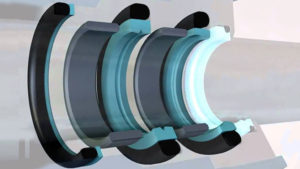
Trelleborg-CAD-Service hydrolysisThe hardness of polyurethane makes it excellent in high-pressure applications requiring resistance to extrusion. However, urethane isn’t the single source rubber compound to be used in all hydraulic systems. As good as urethane is, it doesn’t play well with water.

When water exists in your hydraulic system, either intentionally with high water-based fluids or accidentally with contamination, those H2O molecules make life tough for urethane. The reaction that occurs between urethane and water is called hydrolysis. As water saturation level increases, and especially in the presence of heat, the seal material will break down as a chemical reaction occurs between the rubber and water.

The physical result of the seal breakdown results in a seal that physically cracks and breaks apart as the polymer bonds can no longer hold tight. With more water or more heat, the hydrolysis effect accelerates, and seal breakdown occurs within days or weeks.

Although occasionally engineers will select the incorrect material for their application, such as urethane for a water-glycol application designed to be fire-resistant, it’s more common that water contamination infects traditional hydraulic oil. Contamination doesn’t have to exist as free water, as even increased oil humidity will accelerate hydrolysis in the presence of heat.

The solution to the problem of hydrolysis is first to choose the correct seal polymer for your application. For high water-based fluids such as emulsions or glycols, using Buna nitrile, thermoplastic or other suitable synthetic rubber is your first step in the fight.

The second step is to ensure water contamination is controlled and kept minimal. If you have free water in your hydraulic system, you have problems more significant than just hydrolysis. It’s essential to monitor oil for clarity and color, and if you don’t electronically monitor oil humidity, taking part in an oil analysis program will help. Regular samples taken and analyzed tell you more about the health of your hydraulic machine than just water contamination alone.

On a side note to oil and humidity, be aware that the type of oil you use may affect its tendency to attract and hold water. Bio fluids made from vegetable oil are an excellent choice for use in areas subject to environmental awareness. Still, these fluids often have increased hygroscopic tendencies, meaning they absorb water at a higher rate, even from the air. Be sure your bio fluid is free from humidity, especially in damp environments.

That being said, modern urethanes have evolved to resist the damaging effects of hydrolysis. Special thermoplastic polymers of urethane provide a hig- pressure, extrusion resistant seal with none of the side effects. If you have a particular application where water exists in conjunction with high pressure, reach out to your sealing technology partner to help you choose the best seal for your purpose.

You may also like:


  • Adsorber filters protect against harmful condensation
  • Freudenberg Perfect Cylinder-Program GuivexPerfectCylinder
    Freudenberg Perfect Cylinder program simplifies cylinder and sealing selections

  • How does fluid contamination cause components to fail?

  • Parker Hannifin planning sealing focus at Hannover Messe 2017

  • COT AB launches COT Oil Refiner to eliminate bound and…

Filed Under: Blogs, Featured, Fluids, Seals

Reader Interactions

Leave a Reply Cancel reply

Your email address will not be published. Required fields are marked *

This site uses Akismet to reduce spam. Learn how your comment data is processed.

Primary Sidebar

Fluid Power World Digital Editions

Fluid Power World Digital Edition

Browse the most current issue of Fluid Power World and back issues in an easy to use high quality format. Bookmark, share and interact with the leading design engineering magazine today.

Fluid Power Design Guides

fluid
“sact
EXPAND YOUR KNOWLEDGE AND STAY CONNECTED
Get the latest info on technologies, tools and strategies for Fluid Power Professionals.

Meta

  • Log in
  • Entries feed
  • Comments feed
  • WordPress.org

Archives

  • April 2026
  • March 2026
  • February 2026
  • January 2026
  • November 2025
  • October 2025
  • September 2025
  • August 2025
  • July 2025
  • June 2025
  • May 2025
  • April 2025
  • March 2025
  • February 2025
  • January 2025
  • December 2024
  • November 2024
  • October 2024
  • September 2024
  • August 2024
  • July 2024
  • June 2024
  • May 2024
  • April 2024
  • March 2024
  • February 2024
  • January 2024
  • December 2023
  • November 2023
  • October 2023
  • September 2023
  • August 2023
  • July 2023
  • June 2023
  • May 2023
  • April 2023
  • March 2023
  • February 2023
  • January 2023
  • December 2022
  • November 2022
  • October 2022
  • September 2022
  • August 2022
  • July 2022
  • June 2022
  • May 2022
  • April 2022
  • March 2022
  • February 2022
  • January 2022
  • December 2021
  • November 2021
  • October 2021
  • September 2021
  • August 2021
  • July 2021
  • June 2021
  • May 2021
  • April 2021
  • March 2021
  • February 2021
  • January 2021
  • December 2020
  • November 2020
  • October 2020
  • September 2020
  • August 2020
  • July 2020
  • June 2020
  • May 2020
  • April 2020
  • March 2020
  • February 2020
  • January 2020
  • December 2019
  • November 2019
  • October 2019
  • September 2019
  • August 2019
  • July 2019
  • June 2019
  • May 2019
  • April 2019
  • March 2019
  • February 2019
  • January 2019
  • December 2018
  • November 2018
  • October 2018
  • September 2018
  • August 2018
  • July 2018
  • June 2018
  • May 2018
  • April 2018
  • March 2018
  • February 2018
  • January 2018
  • December 2017
  • November 2017
  • October 2017
  • September 2017
  • August 2017
  • July 2017
  • June 2017
  • May 2017
  • April 2017
  • March 2017
  • February 2017
  • January 2017
  • December 2016
  • November 2016
  • October 2016
  • September 2016
  • August 2016
  • July 2016
  • June 2016
  • May 2016
  • April 2016
  • March 2016
  • February 2016
  • January 2016
  • December 2015
  • November 2015
  • September 2015
  • August 2015
  • July 2015
  • June 2015

Recent Comments

  • Are clogged hydraulic filters better? | Sealing & Contamination Control Tips on What types of hydraulic filters are available?

Categories

  • Blogs
  • Contamination Control
  • Featured
  • Filtration
  • Fluids
  • Mobile Hydraulic Tips
  • News
  • Products
  • Seals
  • tanks and reservois
  • Testing Equipment
  • Uncategorized

Recent Comments

  • Are clogged hydraulic filters better? | Sealing & Contamination Control Tips on What types of hydraulic filters are available?

Archives

  • April 2026
  • March 2026
  • February 2026
  • January 2026
  • November 2025
  • October 2025
  • September 2025
  • August 2025
  • July 2025
  • June 2025
  • May 2025
  • April 2025
  • March 2025
  • February 2025
  • January 2025
  • December 2024
  • November 2024
  • October 2024
  • September 2024
  • August 2024
  • July 2024
  • June 2024
  • May 2024
  • April 2024
  • March 2024
  • February 2024
  • January 2024
  • December 2023
  • November 2023
  • October 2023
  • September 2023
  • August 2023
  • July 2023
  • June 2023
  • May 2023
  • April 2023
  • March 2023
  • February 2023
  • January 2023
  • December 2022
  • November 2022
  • October 2022
  • September 2022
  • August 2022
  • July 2022
  • June 2022
  • May 2022
  • April 2022
  • March 2022
  • February 2022
  • January 2022
  • December 2021
  • November 2021
  • October 2021
  • September 2021
  • August 2021
  • July 2021
  • June 2021
  • May 2021
  • April 2021
  • March 2021
  • February 2021
  • January 2021
  • December 2020
  • November 2020
  • October 2020
  • September 2020
  • August 2020
  • July 2020
  • June 2020
  • May 2020
  • April 2020
  • March 2020
  • February 2020
  • January 2020
  • December 2019
  • November 2019
  • October 2019
  • September 2019
  • August 2019
  • July 2019
  • June 2019
  • May 2019
  • April 2019
  • March 2019
  • February 2019
  • January 2019
  • December 2018
  • November 2018
  • October 2018
  • September 2018
  • August 2018
  • July 2018
  • June 2018
  • May 2018
  • April 2018
  • March 2018
  • February 2018
  • January 2018
  • December 2017
  • November 2017
  • October 2017
  • September 2017
  • August 2017
  • July 2017
  • June 2017
  • May 2017
  • April 2017
  • March 2017
  • February 2017
  • January 2017
  • December 2016
  • November 2016
  • October 2016
  • September 2016
  • August 2016
  • July 2016
  • June 2016
  • May 2016
  • April 2016
  • March 2016
  • February 2016
  • January 2016
  • December 2015
  • November 2015
  • September 2015
  • August 2015
  • July 2015
  • June 2015

Categories

  • Blogs
  • Contamination Control
  • Featured
  • Filtration
  • Fluids
  • Mobile Hydraulic Tips
  • News
  • Products
  • Seals
  • tanks and reservois
  • Testing Equipment
  • Uncategorized

Meta

  • Log in
  • Entries feed
  • Comments feed
  • WordPress.org

Footer

Sealing and Contamination Tips

Fluid Power World Digital Network

  • Fluid Power World
  • Mobile Hydraulic Tips
  • Pneumatic Tips
  • Hose Assembly Tips
  • Leadership in Engineering

Sealing & Contamination Control

  • Subscribe to Fluid Power World
  • Videos
  • Advertise with us
  • About us

Copyright © 2026 · WTWH Media, LLC · Privacy Policy