• Skip to primary navigation
  • Skip to main content
  • Skip to primary sidebar
  • Skip to footer

Sealing & Contamination Control Tips

Fluid Power Sealing and Contamination Control Information and Resources

  • News
  • Contamination Control
  • Filtration
  • Seals
  • Fluids
  • Design Guides
  • Advertise
  • Subscribe
You are here: Home / Blogs / How can exclusion seals extend hydraulic motor life?

How can exclusion seals extend hydraulic motor life?

September 19, 2016 By Mary Gannon Leave a Comment

Share

Few people think of the motor’s exclusion seals as key components in a piece of equipment, but these unsung heroes can make all the difference, particularly in harsh environments. When a motor’s pressure seal is compromised, the machine starts leaking oil into the environment, which immediately impacts your bottom line. Lost productivity and maintenance costs are the first items that come to mind, but environmental concerns and cleanup can also be very costly. An equally important consideration is what a leaking motor says about your machinery brand. Oil leaks attract dust immediately and an oily, dusty machine is not the image most OEMs are looking to conjure.
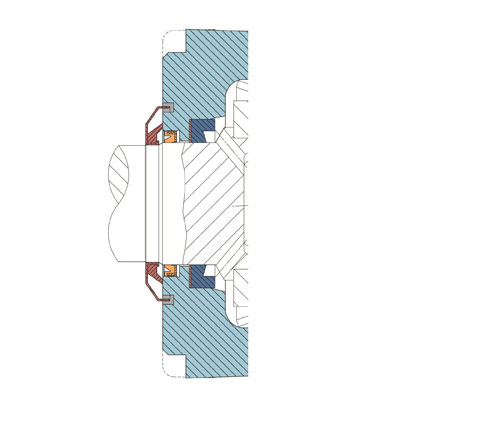
exclusion seals article_slinger-seal-002
Fig. 1: Slinger seal (depicted in red) is pressed onto the shaft and rotates with it to improve protection for the pressure seal.

The number one failure mode on hydraulic system components is oil leakage––so as the operating environment gets harsher, the critical importance of a seal becomes readily apparent.

Let’s start with the basics
Hydraulic motors utilize two types of seals—one to keep oil in and another to keep dust and dirt out. Holding the oil in the motor is the function of a pressure seal, which can be designed to withstand low pressures, standard pressures, high pressures or even special pressure fluctuations, depending on the application. Pressure seals are sensitive to dirt and other contamination, so an exclusion seal—designed to keep contaminants out, is used to protect it from the outside environment.

These seals have a similar look to pressure seals but are installed in reverse to keep typical contaminates out—dust, dirt, grime, moisture, etc. However, outdoor environments are rarely “typical” and more challenging environments call for additional protection in the form of a slinger seal, also known as a seal guard, or a triple lip seal. These seals all provide the same function of protecting the pressure seal.

Types of exclusion seals
Standard exclusion seals include a rubber seal on the motor shaft that will keep dirt out for most applications.
Designed for harsher applications, such as brushes, sweepers or conveyers, a slinger seal is considered an additional layer of protection. Working in tandem with the standard rubber seal, a slinger seal is pressed onto the motor shaft, and rotates with the shaft to better protect from weeds, and stringing material, dirt, rocks or direct contact, like the water stream of a power washer.

For 15 years, the slinger seal has been considered the industry standard for the next level of motor protection in harsh applications. This seal does an excellent job, but has limitations when the motor is exposed to fine dust, and /or liquid solutions that can wash behind the rotating guard. A classic example is a salt melt solution that will easily flow around the guard and then dry out, crystalizing and corroding the shaft or damaging the exclusion lip. This is a common problem as more and more motors are exposed to salt/sand, chemical, or even crop harvesting applications, such as sugarcane, where juices of the harvested plants can be corrosive and solidify after breaching the slinger seal.

What is an OEM to do?
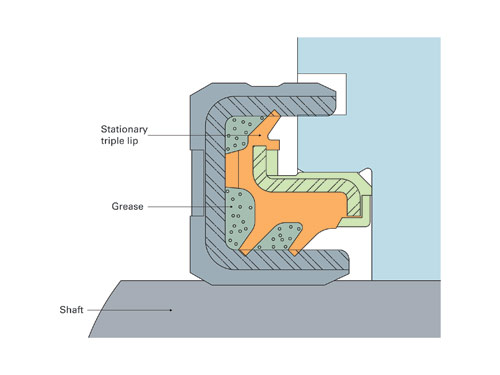
exclusion seals article_extreme-duty-seal-01
Fig. 2: The Extreme Duty Seal Guard includes a stationary housing (depicted in green) as well as a metal shield rotating with the shaft (depicted in gray).

A new protection option is also available to help protect motors operating in the most strenuous environments, such as the sugar and salt examples outlined above, as well as cement augers, dredgers, sand vehicles, fertilizer spreaders, tillers and anything requiring a power wash down at the end of the day. The Extreme Duty Seal Guard is a two-piece design, with a pressed in stationary housing as well as the metal shield rotating with the shaft. It keeps the effective shield of the slinger/seal guard, but adds three additional lips that are packed with grease to keep dust and liquid fluids out. As the premium protection, the Extreme Duty Seal Guard, can outlast a slinger seal four times over, extending the life of on the motor and thus the machine in question.

Advanced sealing
Consider a salt spreader, and the concern about salt melt solutions discussed earlier. Salt is a caustic material that dissolves in water, settling into every crack and crevice of a machine. Most salt spreaders are regularly washed down to help avoid this, but during cleaning, water can get behind the seal—carrying salt particles with it—and degrade the shaft over time. Many owners and operators of salt spreading equipment expect a motor to last only two seasons of work, and build biennial motor replacement into the budget and maintenance schedule.

Machines like rototillers, cement augers and dredgers face similarly tough environments. Salt water and mud can be very hard on seals, especially submerged shafts that have to withstand the deflection and vibration of harsh digging. Servicing a dredger, for example, is a routine task for maintenance teams. However, installation of the extreme duty seal on these applications can extend maintenance intervals well beyond expectations. Further, many cement auger designs waste a lot of axial space and weight—up to 2 in.—doing the same thing the extreme duty seal guard can do in less than a ¼ in.!

While budgeting for maintenance costs is wise, the lingering question is whether or not so much maintenance should be required. What seemingly small changes can be made—without impacting the overall machine design—to improve this cycle of constant maintenance? Choosing the correct seal for your application can make a huge difference in the long run. When designing a machine, it is important to consider the environment the motor will face in day-to-day operation. In machines facing particularly harsh working conditions, simply choosing more powerful exclusion seals gives machine designers the power to significantly extend the life of the motor without major changes to the machine.

Contributed by Todd Degler, product manager, Geroler Motors, Gear Products, Eaton

 

Filed Under: Blogs, Featured, Seals Tagged With: eaton

Reader Interactions

Leave a Reply Cancel reply

Your email address will not be published. Required fields are marked *

This site uses Akismet to reduce spam. Learn how your comment data is processed.

Primary Sidebar

Fluid Power World Digital Editions

Fluid Power World Digital Edition

Browse the most current issue of Fluid Power World and back issues in an easy to use high quality format. Bookmark, share and interact with the leading design engineering magazine today.

Fluid Power Design Guides

fluid
“sact
EXPAND YOUR KNOWLEDGE AND STAY CONNECTED
Get the latest info on technologies, tools and strategies for Fluid Power Professionals.

Meta

  • Log in
  • Entries feed
  • Comments feed
  • WordPress.org

Archives

  • April 2026
  • March 2026
  • February 2026
  • January 2026
  • November 2025
  • October 2025
  • September 2025
  • August 2025
  • July 2025
  • June 2025
  • May 2025
  • April 2025
  • March 2025
  • February 2025
  • January 2025
  • December 2024
  • November 2024
  • October 2024
  • September 2024
  • August 2024
  • July 2024
  • June 2024
  • May 2024
  • April 2024
  • March 2024
  • February 2024
  • January 2024
  • December 2023
  • November 2023
  • October 2023
  • September 2023
  • August 2023
  • July 2023
  • June 2023
  • May 2023
  • April 2023
  • March 2023
  • February 2023
  • January 2023
  • December 2022
  • November 2022
  • October 2022
  • September 2022
  • August 2022
  • July 2022
  • June 2022
  • May 2022
  • April 2022
  • March 2022
  • February 2022
  • January 2022
  • December 2021
  • November 2021
  • October 2021
  • September 2021
  • August 2021
  • July 2021
  • June 2021
  • May 2021
  • April 2021
  • March 2021
  • February 2021
  • January 2021
  • December 2020
  • November 2020
  • October 2020
  • September 2020
  • August 2020
  • July 2020
  • June 2020
  • May 2020
  • April 2020
  • March 2020
  • February 2020
  • January 2020
  • December 2019
  • November 2019
  • October 2019
  • September 2019
  • August 2019
  • July 2019
  • June 2019
  • May 2019
  • April 2019
  • March 2019
  • February 2019
  • January 2019
  • December 2018
  • November 2018
  • October 2018
  • September 2018
  • August 2018
  • July 2018
  • June 2018
  • May 2018
  • April 2018
  • March 2018
  • February 2018
  • January 2018
  • December 2017
  • November 2017
  • October 2017
  • September 2017
  • August 2017
  • July 2017
  • June 2017
  • May 2017
  • April 2017
  • March 2017
  • February 2017
  • January 2017
  • December 2016
  • November 2016
  • October 2016
  • September 2016
  • August 2016
  • July 2016
  • June 2016
  • May 2016
  • April 2016
  • March 2016
  • February 2016
  • January 2016
  • December 2015
  • November 2015
  • September 2015
  • August 2015
  • July 2015
  • June 2015

Recent Comments

    Categories

    • Blogs
    • Contamination Control
    • Featured
    • Filtration
    • Fluids
    • Mobile Hydraulic Tips
    • News
    • Products
    • Seals
    • tanks and reservois
    • Testing Equipment
    • Uncategorized

    Recent Comments

      Archives

      • April 2026
      • March 2026
      • February 2026
      • January 2026
      • November 2025
      • October 2025
      • September 2025
      • August 2025
      • July 2025
      • June 2025
      • May 2025
      • April 2025
      • March 2025
      • February 2025
      • January 2025
      • December 2024
      • November 2024
      • October 2024
      • September 2024
      • August 2024
      • July 2024
      • June 2024
      • May 2024
      • April 2024
      • March 2024
      • February 2024
      • January 2024
      • December 2023
      • November 2023
      • October 2023
      • September 2023
      • August 2023
      • July 2023
      • June 2023
      • May 2023
      • April 2023
      • March 2023
      • February 2023
      • January 2023
      • December 2022
      • November 2022
      • October 2022
      • September 2022
      • August 2022
      • July 2022
      • June 2022
      • May 2022
      • April 2022
      • March 2022
      • February 2022
      • January 2022
      • December 2021
      • November 2021
      • October 2021
      • September 2021
      • August 2021
      • July 2021
      • June 2021
      • May 2021
      • April 2021
      • March 2021
      • February 2021
      • January 2021
      • December 2020
      • November 2020
      • October 2020
      • September 2020
      • August 2020
      • July 2020
      • June 2020
      • May 2020
      • April 2020
      • March 2020
      • February 2020
      • January 2020
      • December 2019
      • November 2019
      • October 2019
      • September 2019
      • August 2019
      • July 2019
      • June 2019
      • May 2019
      • April 2019
      • March 2019
      • February 2019
      • January 2019
      • December 2018
      • November 2018
      • October 2018
      • September 2018
      • August 2018
      • July 2018
      • June 2018
      • May 2018
      • April 2018
      • March 2018
      • February 2018
      • January 2018
      • December 2017
      • November 2017
      • October 2017
      • September 2017
      • August 2017
      • July 2017
      • June 2017
      • May 2017
      • April 2017
      • March 2017
      • February 2017
      • January 2017
      • December 2016
      • November 2016
      • October 2016
      • September 2016
      • August 2016
      • July 2016
      • June 2016
      • May 2016
      • April 2016
      • March 2016
      • February 2016
      • January 2016
      • December 2015
      • November 2015
      • September 2015
      • August 2015
      • July 2015
      • June 2015

      Categories

      • Blogs
      • Contamination Control
      • Featured
      • Filtration
      • Fluids
      • Mobile Hydraulic Tips
      • News
      • Products
      • Seals
      • tanks and reservois
      • Testing Equipment
      • Uncategorized

      Meta

      • Log in
      • Entries feed
      • Comments feed
      • WordPress.org

      Footer

      Sealing and Contamination Tips

      Fluid Power World Digital Network

      • Fluid Power World
      • Mobile Hydraulic Tips
      • Pneumatic Tips
      • Hose Assembly Tips
      • Leadership in Engineering

      Sealing & Contamination Control

      • Subscribe to Fluid Power World
      • Videos
      • Advertise with us
      • About us

      Copyright © 2026 · WTWH Media, LLC · Privacy Policy