• Skip to primary navigation
  • Skip to main content
  • Skip to primary sidebar
  • Skip to footer

Sealing & Contamination Control Tips

Fluid Power Sealing and Contamination Control Information and Resources

  • News
  • Contamination Control
  • Filtration
  • Seals
  • Fluids
  • Design Guides
  • Advertise
  • Subscribe
You are here: Home / Featured / How do you avoid seal failure?

How do you avoid seal failure?

September 12, 2016 By Paul Heney

Share

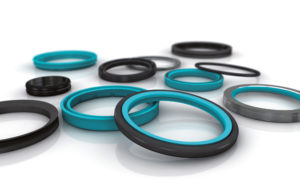
trell_various_seals_product_rangeBashar Kasrawi, product development engineer at Trelleborg Sealing Systems said that there are a number of reasons for seal failure in hydraulic systems, but the most common may be a surprise to some: improper installation.

“Seals are sometimes considered a commodity item by designers and engineers—a known quantity that doesn’t appear to require much thought,” Kasrawi explained. “This can lead to a lack of care when it comes to training and/or tool selection, and that causes seals to become damaged during installation or not properly seated. The following are some of the most common causes for seal failure, some less common ones, with suggestions on how to avoid all of them.”

Improper installation
Using the right tools is critical to preventing seals from being installed in the wrong direction or being damaged during installation. Some seal materials are less robust than others, meaning it doesn’t take much to damage one enough to cause unexpected leakage.

“If the cylinder design requires installing a seal in a difficult place, a specialized installation tool such as a lead-in chamfer should be used. It’s also important to ensure there are no sharp corners in the seal grooves that could damage the seal,” Kasrawi added.

“Installing a seal in the wrong direction is another common cause of failure. Careful training is a potential fix, but if it’s not sufficient, manufacturers should consider changing the design so the seal cannot be installed the wrong way or using a product that can only be installed one way. This is sometimes referred to as poka-yoke, the Japanese term for a mechanism that helps equipment operators avoid mistakes.”

Kasrawi emphasized that it is also important to realize that redesigned seals may need to be installed differently than current seals of a different material, even though they are fitted in the same piece of equipment.
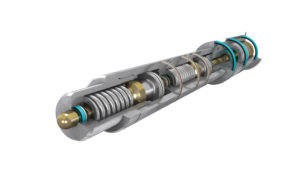
trell-sealing-cutaway-downholehalf
Sealing cutaway down-hole.

Wear
“Seals wear down over time, but there are ways to prolong their life. For example, contamination is a common cause of excessive wear. The contamination may originate outside the system or be generated internally by moving gears or pumps. Although filters help prevent contamination from affecting seals, many systems are inadequately filtered. Particles small enough to penetrate the filters enter the cylinder and speed the wear of the seal.”

Kasrawi said that it is important to note that some hydraulic fluids are better at keeping contaminants away from sealed areas, so if seals are breaking down faster than expected, definitely consider changing fluids.

“In addition, higher quality bearings are less prone to being deformed under load, decreasing the type of metal-to-metal contact in the system that causes contamination from particles.”

Extrusion
“This type of seal failure is more well known to designers, involving pressure levels that can potentially cause parts of a seal to break off and flow into the gaps in the hardware,” Kasrawi said. “Mitigation involves using back up rings or changing from an elastomer seal to thermoplastic one. Changing the mechanisms design to make the gaps between moving parts smaller and minimizing the area a seal can extrude into, is another option.”

Compression set
Leakage at low pressure can be a sign of seals becoming less elastic, usually referred to as compression set. Kasrawi said that not surprisingly, rubber and polymer seals are more prone to this phenomenon. Seals are very dependent on their elasticity at low pressure, which is why low-pressure leakage is a good indicator of an issue. Workarounds include replacing the seal, increasing preventive maintenance, and switching to a material less susceptible to compression set.

Pressure trapping
Ideally, if two seals are next to each other, they should not seal in the same direction. However, this can occur under certain conditions, causing fluid to be trapped between the seals. Unchecked, the pressure will eventually rise to a level where the fluid bursts through and causes one of the seals to fail.

“The solution is a back-pumping design that allows fluid to be pumped back into the pressurized side of the system.”

Spiral failure
“This type of issue is usually associated with O-Rings, most often when a mechanism uses long strokes that are fairly fast, often causing the seal to twist in upon itself,” Kasrawi said. “Designers can alleviate this problem by switching to a polymeric material or to a different geometry, such as a square or X ring.”

Chemical incompatibility
Kasrawi said that failure due to chemical incompatibility is becoming more common as users of hydraulic systems change fluids to save money, make their process more fire resistant, or make their process less harmful to the environment.

“Some designers don’t realize it’s quite often necessary to change seal types when switching fluids. Many seals, particularly elastomers, are incompatible with newer hydraulic fluids, especially fire resistant and biodegradable ones at certain temperatures.”

“Sometimes even though the base fluid remains the same, an additive causes seals to fail. The effect is not always predictable—the seal may wear out faster than expected or simply not perform as it should.

That’s why testing seal functionality every time your hydraulic fluid changes, even if the base fluid remains the same, is critical. Compatibility information is available from both seal and fluid suppliers, but testing with your own equipment at production temperatures is highly recommended.”

Knowledge improves your odds
“By now it should be clear that there are many ways for seals to fail. However, by paying particular attention to installation and testing, you can greatly improve the odds that your seals will function as expected,” Kasrawi concluded.

By Joyce Laird

You might also like

Filed Under: Featured, Seals

Primary Sidebar

Fluid Power World Digital Editions

Fluid Power World Digital Edition

Browse the most current issue of Fluid Power World and back issues in an easy to use high quality format. Bookmark, share and interact with the leading design engineering magazine today.

Fluid Power Design Guides

fluid
“sact
EXPAND YOUR KNOWLEDGE AND STAY CONNECTED
Get the latest info on technologies, tools and strategies for Fluid Power Professionals.

Meta

  • Log in
  • Entries feed
  • Comments feed
  • WordPress.org

Archives

  • October 2026
  • August 2026
  • July 2026
  • June 2026
  • May 2026
  • April 2026
  • March 2026
  • February 2026
  • January 2026
  • November 2025
  • October 2025
  • September 2025
  • August 2025
  • July 2025
  • June 2025
  • May 2025
  • April 2025
  • March 2025
  • February 2025
  • January 2025
  • December 2024
  • November 2024
  • October 2024
  • September 2024
  • August 2024
  • July 2024
  • June 2024
  • May 2024
  • April 2024
  • March 2024
  • February 2024
  • January 2024
  • December 2023
  • November 2023
  • October 2023
  • September 2023
  • August 2023
  • July 2023
  • June 2023
  • May 2023
  • April 2023
  • March 2023
  • February 2023
  • January 2023
  • December 2022
  • November 2022
  • October 2022
  • September 2022
  • August 2022
  • July 2022
  • June 2022
  • May 2022
  • April 2022
  • March 2022
  • February 2022
  • January 2022
  • December 2021
  • November 2021
  • October 2021
  • September 2021
  • August 2021
  • July 2021
  • June 2021
  • May 2021
  • April 2021
  • March 2021
  • February 2021
  • January 2021
  • December 2020
  • November 2020
  • October 2020
  • September 2020
  • August 2020
  • July 2020
  • June 2020
  • May 2020
  • April 2020
  • March 2020
  • February 2020
  • January 2020
  • December 2019
  • November 2019
  • October 2019
  • September 2019
  • August 2019
  • July 2019
  • June 2019
  • May 2019
  • April 2019
  • March 2019
  • February 2019
  • January 2019
  • December 2018
  • November 2018
  • October 2018
  • September 2018
  • August 2018
  • July 2018
  • June 2018
  • May 2018
  • April 2018
  • March 2018
  • February 2018
  • January 2018
  • December 2017
  • November 2017
  • October 2017
  • September 2017
  • August 2017
  • July 2017
  • June 2017
  • May 2017
  • April 2017
  • March 2017
  • February 2017
  • January 2017
  • December 2016
  • November 2016
  • October 2016
  • September 2016
  • August 2016
  • July 2016
  • June 2016
  • May 2016
  • April 2016
  • March 2016
  • February 2016
  • January 2016
  • December 2015
  • November 2015
  • September 2015
  • August 2015
  • July 2015
  • June 2015

Recent Comments

  • Are clogged hydraulic filters better? | Sealing & Contamination Control Tips on What types of hydraulic filters are available?

Categories

  • Blogs
  • Contamination Control
  • Featured
  • Filtration
  • Fluids
  • Mobile Hydraulic Tips
  • News
  • Products
  • Seals
  • tanks and reservois
  • Testing Equipment
  • Uncategorized

Recent Comments

  • Are clogged hydraulic filters better? | Sealing & Contamination Control Tips on What types of hydraulic filters are available?

Archives

  • October 2026
  • August 2026
  • July 2026
  • June 2026
  • May 2026
  • April 2026
  • March 2026
  • February 2026
  • January 2026
  • November 2025
  • October 2025
  • September 2025
  • August 2025
  • July 2025
  • June 2025
  • May 2025
  • April 2025
  • March 2025
  • February 2025
  • January 2025
  • December 2024
  • November 2024
  • October 2024
  • September 2024
  • August 2024
  • July 2024
  • June 2024
  • May 2024
  • April 2024
  • March 2024
  • February 2024
  • January 2024
  • December 2023
  • November 2023
  • October 2023
  • September 2023
  • August 2023
  • July 2023
  • June 2023
  • May 2023
  • April 2023
  • March 2023
  • February 2023
  • January 2023
  • December 2022
  • November 2022
  • October 2022
  • September 2022
  • August 2022
  • July 2022
  • June 2022
  • May 2022
  • April 2022
  • March 2022
  • February 2022
  • January 2022
  • December 2021
  • November 2021
  • October 2021
  • September 2021
  • August 2021
  • July 2021
  • June 2021
  • May 2021
  • April 2021
  • March 2021
  • February 2021
  • January 2021
  • December 2020
  • November 2020
  • October 2020
  • September 2020
  • August 2020
  • July 2020
  • June 2020
  • May 2020
  • April 2020
  • March 2020
  • February 2020
  • January 2020
  • December 2019
  • November 2019
  • October 2019
  • September 2019
  • August 2019
  • July 2019
  • June 2019
  • May 2019
  • April 2019
  • March 2019
  • February 2019
  • January 2019
  • December 2018
  • November 2018
  • October 2018
  • September 2018
  • August 2018
  • July 2018
  • June 2018
  • May 2018
  • April 2018
  • March 2018
  • February 2018
  • January 2018
  • December 2017
  • November 2017
  • October 2017
  • September 2017
  • August 2017
  • July 2017
  • June 2017
  • May 2017
  • April 2017
  • March 2017
  • February 2017
  • January 2017
  • December 2016
  • November 2016
  • October 2016
  • September 2016
  • August 2016
  • July 2016
  • June 2016
  • May 2016
  • April 2016
  • March 2016
  • February 2016
  • January 2016
  • December 2015
  • November 2015
  • September 2015
  • August 2015
  • July 2015
  • June 2015

Categories

  • Blogs
  • Contamination Control
  • Featured
  • Filtration
  • Fluids
  • Mobile Hydraulic Tips
  • News
  • Products
  • Seals
  • tanks and reservois
  • Testing Equipment
  • Uncategorized

Meta

  • Log in
  • Entries feed
  • Comments feed
  • WordPress.org

Footer

Sealing and Contamination Tips

Fluid Power World Digital Network

  • Fluid Power World
  • Mobile Hydraulic Tips
  • Pneumatic Tips
  • Hose Assembly Tips
  • Leadership in Engineering

Sealing & Contamination Control

  • Subscribe to Fluid Power World
  • Videos
  • Advertise with us
  • About us

Copyright © 2026 · Arrowfly, LLC · Privacy Policy