• Skip to primary navigation
  • Skip to main content
  • Skip to primary sidebar
  • Skip to footer

Sealing & Contamination Control Tips

Fluid Power Sealing and Contamination Control Information and Resources

  • News
  • Contamination Control
  • Filtration
  • Seals
  • Fluids
  • Design Guides
  • Advertise
  • Subscribe
You are here: Home / Filtration / New line of desiccant dryers

New line of desiccant dryers

August 18, 2016 By Ken Korane Leave a Comment

Share

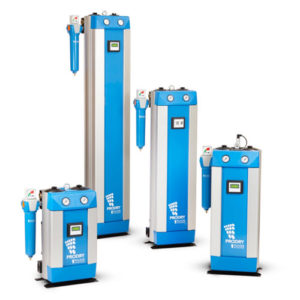
Walker-PRODRY_RangeWalker Filtration, based in Washington, Tyne & Wear, U.K. and with U.S. headquarters in Erie, Pa., has expanded its line of Pro Dry compressed-air desiccant dryers. Based on customer feedback and the latest controls technology, the new desiccant dryers cut service time in half, significantly increase energy efficiency, reduce noise and are easily customized to meet user requirements, according to the company.

Pro Dry, based on twin-tower heatless desiccant technology, is designed to provide a smooth, controlled and uninterrupted delivery of extremely dry compressed air. In operation, air that needs treatment passes through a prefilter where an electronic drain removes particulates and coalesced liquids from the air stream. Wet air then travels to a valve assembly at the bottom of the unit. Air enters the desiccant bed in one tower, where moisture in the stream adsorbs to the desiccant. Dry air exits the desiccant cartridge through an outlet valve assembly and passes through the unit’s integral 1-micron dust filter, removing any desiccant particulates from air stream.

While one chamber is on-stream removing water vapor, the other is depressurized to permit regeneration. A small amount of dry, process air from the first tower, called purge air, is expanded and routed to the second tower, where it pulls water molecules from the saturated desiccant. Moisture-laden purge air vents to atmosphere through an exhaust valve and silencer. The second tower is repressurized after the desiccant is dry, with the controller ensuring each chamber is at full operating pressure prior to changeover. The air stream is switched and the process repeats on a continuous basis. Thus, the dryer control system cycles air between the two desiccant towers, ensuring reliable and efficient operation.

Engineers have developed a product that provides excellent performance while meeting customer requirements, according to company officials. The benefits of the Pro Dry desiccant dryers include:

  • Clean and dry air. With a 0.01-micron oil-removal filter (supplied as standard), 1-micron dust filter, and a choice of –40° or –70° C (–40° or –100° F) pressure dew points, Pro Dry meets or exceeds the highest purity standards as specified in ISO 8573-1.
  • Economical. Standard features, such as an integral electronic drain and service-interval indicator, make the unit economical to run. The new models come with an option to upgrade to advanced dew-point management for greater operating efficiency and significantly lower operating costs.
  • Energy management. Energy-saving features let the dryer link to a compressor control system to reduce air consumption during periods of low demand.
  • Worldwide installation. The units operate on voltages from 100 to 240 Vac and 12 to 24 Vdc, and comply with virtually all appropriate regulatory approvals.
  • Rugged construction. Extruded aluminum towers are fully painted for corrosion protection. The built-in CPU is housed in an IP65-rated enclosure.
  • Condensate management. Keeping close control over condensate is essential to maximize dryer efficiency. Pro Dry has an electronic drain valve that’s controlled by the CPU. The drain valve opens at the end of every cycle and the CPU runs a diagnostic check for any sign of malfunction. A control panel on the front of the unit permits easy viewing.
  • Simple servicing. A removable front panel permits easy access for servicing. A new desiccant cartridge design with integral handle facilitates simple change-out.

The complete Pro Dry line of desiccant dryers covers flow rates from 1.9 to 172 l/sec (4 to 365 scfm). Working pressure is 4 to 16 bar (58 to 232 psig) and inlet air temperature can range from 1.5 to 50° C (34 to 122° F). Minimum ambient temperature is 5° C (41° F). The units are suited for general industrial use, as well as in automotive, paint spraying, instrumentation, packaging, pharmaceutical manufacturing and many other applications.

“The new generation of Pro Dry represents the culmination of development and innovation by our dedicated team,” remarked Group Managing Director, Lianne Walker. “We are excited to bring a superior desiccant dryer to the market, and confident that the exceptional performance and improved design will not only meet our customers’ requirements, but also exceed their expectations.”

Walker Filtration
www.walkerfiltration.com

Filed Under: Featured, Filtration Tagged With: walker, walkerfiltration

Reader Interactions

Leave a Reply Cancel reply

Your email address will not be published. Required fields are marked *

This site uses Akismet to reduce spam. Learn how your comment data is processed.

Primary Sidebar

Fluid Power World Digital Editions

Fluid Power World Digital Edition

Browse the most current issue of Fluid Power World and back issues in an easy to use high quality format. Bookmark, share and interact with the leading design engineering magazine today.

Fluid Power Design Guides

fluid
“sact
EXPAND YOUR KNOWLEDGE AND STAY CONNECTED
Get the latest info on technologies, tools and strategies for Fluid Power Professionals.

Meta

  • Log in
  • Entries feed
  • Comments feed
  • WordPress.org

Archives

  • April 2026
  • March 2026
  • February 2026
  • January 2026
  • November 2025
  • October 2025
  • September 2025
  • August 2025
  • July 2025
  • June 2025
  • May 2025
  • April 2025
  • March 2025
  • February 2025
  • January 2025
  • December 2024
  • November 2024
  • October 2024
  • September 2024
  • August 2024
  • July 2024
  • June 2024
  • May 2024
  • April 2024
  • March 2024
  • February 2024
  • January 2024
  • December 2023
  • November 2023
  • October 2023
  • September 2023
  • August 2023
  • July 2023
  • June 2023
  • May 2023
  • April 2023
  • March 2023
  • February 2023
  • January 2023
  • December 2022
  • November 2022
  • October 2022
  • September 2022
  • August 2022
  • July 2022
  • June 2022
  • May 2022
  • April 2022
  • March 2022
  • February 2022
  • January 2022
  • December 2021
  • November 2021
  • October 2021
  • September 2021
  • August 2021
  • July 2021
  • June 2021
  • May 2021
  • April 2021
  • March 2021
  • February 2021
  • January 2021
  • December 2020
  • November 2020
  • October 2020
  • September 2020
  • August 2020
  • July 2020
  • June 2020
  • May 2020
  • April 2020
  • March 2020
  • February 2020
  • January 2020
  • December 2019
  • November 2019
  • October 2019
  • September 2019
  • August 2019
  • July 2019
  • June 2019
  • May 2019
  • April 2019
  • March 2019
  • February 2019
  • January 2019
  • December 2018
  • November 2018
  • October 2018
  • September 2018
  • August 2018
  • July 2018
  • June 2018
  • May 2018
  • April 2018
  • March 2018
  • February 2018
  • January 2018
  • December 2017
  • November 2017
  • October 2017
  • September 2017
  • August 2017
  • July 2017
  • June 2017
  • May 2017
  • April 2017
  • March 2017
  • February 2017
  • January 2017
  • December 2016
  • November 2016
  • October 2016
  • September 2016
  • August 2016
  • July 2016
  • June 2016
  • May 2016
  • April 2016
  • March 2016
  • February 2016
  • January 2016
  • December 2015
  • November 2015
  • September 2015
  • August 2015
  • July 2015
  • June 2015

Recent Comments

    Categories

    • Blogs
    • Contamination Control
    • Featured
    • Filtration
    • Fluids
    • Mobile Hydraulic Tips
    • News
    • Products
    • Seals
    • tanks and reservois
    • Testing Equipment
    • Uncategorized

    Recent Comments

      Archives

      • April 2026
      • March 2026
      • February 2026
      • January 2026
      • November 2025
      • October 2025
      • September 2025
      • August 2025
      • July 2025
      • June 2025
      • May 2025
      • April 2025
      • March 2025
      • February 2025
      • January 2025
      • December 2024
      • November 2024
      • October 2024
      • September 2024
      • August 2024
      • July 2024
      • June 2024
      • May 2024
      • April 2024
      • March 2024
      • February 2024
      • January 2024
      • December 2023
      • November 2023
      • October 2023
      • September 2023
      • August 2023
      • July 2023
      • June 2023
      • May 2023
      • April 2023
      • March 2023
      • February 2023
      • January 2023
      • December 2022
      • November 2022
      • October 2022
      • September 2022
      • August 2022
      • July 2022
      • June 2022
      • May 2022
      • April 2022
      • March 2022
      • February 2022
      • January 2022
      • December 2021
      • November 2021
      • October 2021
      • September 2021
      • August 2021
      • July 2021
      • June 2021
      • May 2021
      • April 2021
      • March 2021
      • February 2021
      • January 2021
      • December 2020
      • November 2020
      • October 2020
      • September 2020
      • August 2020
      • July 2020
      • June 2020
      • May 2020
      • April 2020
      • March 2020
      • February 2020
      • January 2020
      • December 2019
      • November 2019
      • October 2019
      • September 2019
      • August 2019
      • July 2019
      • June 2019
      • May 2019
      • April 2019
      • March 2019
      • February 2019
      • January 2019
      • December 2018
      • November 2018
      • October 2018
      • September 2018
      • August 2018
      • July 2018
      • June 2018
      • May 2018
      • April 2018
      • March 2018
      • February 2018
      • January 2018
      • December 2017
      • November 2017
      • October 2017
      • September 2017
      • August 2017
      • July 2017
      • June 2017
      • May 2017
      • April 2017
      • March 2017
      • February 2017
      • January 2017
      • December 2016
      • November 2016
      • October 2016
      • September 2016
      • August 2016
      • July 2016
      • June 2016
      • May 2016
      • April 2016
      • March 2016
      • February 2016
      • January 2016
      • December 2015
      • November 2015
      • September 2015
      • August 2015
      • July 2015
      • June 2015

      Categories

      • Blogs
      • Contamination Control
      • Featured
      • Filtration
      • Fluids
      • Mobile Hydraulic Tips
      • News
      • Products
      • Seals
      • tanks and reservois
      • Testing Equipment
      • Uncategorized

      Meta

      • Log in
      • Entries feed
      • Comments feed
      • WordPress.org

      Footer

      Sealing and Contamination Tips

      Fluid Power World Digital Network

      • Fluid Power World
      • Mobile Hydraulic Tips
      • Pneumatic Tips
      • Hose Assembly Tips
      • Leadership in Engineering

      Sealing & Contamination Control

      • Subscribe to Fluid Power World
      • Videos
      • Advertise with us
      • About us

      Copyright © 2026 · WTWH Media, LLC · Privacy Policy