• Skip to primary navigation
  • Skip to main content
  • Skip to primary sidebar
  • Skip to footer

Sealing & Contamination Control Tips

Fluid Power Sealing and Contamination Control Information and Resources

  • News
  • Contamination Control
  • Filtration
  • Seals
  • Fluids
  • Design Guides
  • Advertise
  • Subscribe
You are here: Home / Seals / Electrically conductive PTFE-based seal materials for dynamic applications

Electrically conductive PTFE-based seal materials for dynamic applications

October 16, 2019 By Mary Gannon Leave a Comment

Share

Trelleborg Sealing Solutions has launched Turcon MC1 and Turcon MC2 materials, the only PTFE-based (polytetrafluoroethylene) electrically conductive materials suited for use in spring and elastomer-energized seals. Engineered for dynamic applications, seals and bearings from the materials will provide reliable electric connection between moving parts.
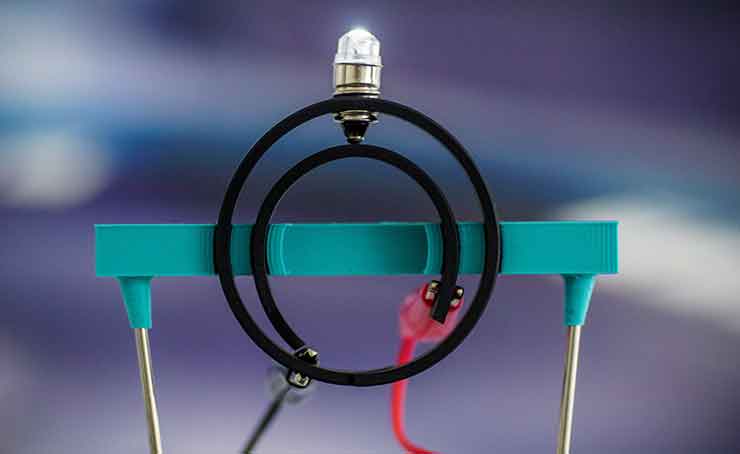
Trelleborg Turcon MC1 and Turcon MC2 are PTFE-based electrically conductive seal materials

According to Konrad Saur, Vice President Innovation & Technology for Trelleborg Sealing Solutions, “Turcon MC1 and Turcon MC2 are unique and are specifically developed for use in spring and elastomer-energized seals, as well as bearings, in response to a strong market demand to support electrification of drives, eMobility, sensing and IoT solutions.”

Soeren Roepstorff, Development Manager at Trelleborg’s manufacturing facility in Helsingør, Denmark, where the new compounds were developed, added, “Conductive elastomers are available, but these are primarily only for static applications, while the conductive, injection-moldable plastic materials that exist have low flexibility and are less suited for sealing purposes and for installation in closed grooves.

“Turcon MC1 and Turcon MC2 meet our customers’ demands for conductive plastic sealing materials that will work effectively and reliably as seals and bearings in dynamic applications. With them, designers can take advantage of using a range of advanced PTFE-based sealing geometries and all the benefits that they offer in applications that require electrical conductivity through a hydraulic system or electric motor, for instance.”

Virgin PTFE is an excellent insulator with resistivity around 2×10+17 Ohm-cm. For PTFE composites to be able to conduct electricity, conductive fillers must be added, and these need to interconnect within the PTFE matrix. Historically, the only conductive PTFE-based materials were compounds with carbon filling above a “threshold value.”

The fact that electrical conductivity was achieved in these original carbon filled PTFE-based materials was accidental and electrical resistance was not the primary engineering requirement. Turcon MC1 and Turcon MC2 differ though, in that they have been specifically developed for electrical conductivity in dynamic sealing applications and therefore sealing performance is optimized in these situations.

Electrically conductive sealing materials have some important applications:

  • In aircraft, a worst-case scenario is that a plane is hit by lightning but less traumatic is the static buildup that occurs as a plane flies through the air. Electrically conductive seals in the landing gear, for instance, will ensure that electricity or static is safely dissipated.
  • Electric charge transfer through the gap between two components can cause sparks or stray current in machinery and systems, for example in electric motors. This can result in hardware pitting and carbonization of lubricant or grease. Use of an electrically conductive seal or bearing grounds the system by creating a clear path between two components, avoiding corrosion issues.
  • Sometimes intentionally a signal needs to be sent to or from a sensor in a system. This signal transfer can be achieved by utilizing electrically conductive seals or bearings that will create a clear path for the signal, enabling system manufacturers to develop more complex systems incorporating aspects of artificial intelligence without adding electrical circuitry.

To prove the electrical conductivity of Turcon MC1 and Turco MC2, the compounds underwent significant testing in Trelleborg’s in-house labs, including in a specialized test rig that simulated real life conditions. Results showed that Turcon MC1 and Turcon MC2 had a dry contact resistance that was negligible (highly conductive) even with low contact pressure and when running in oil, resistance was also low and thereby, conductivity was high.

Turcon MC1 is a medium-filled material for dynamic applications requiring medium to high conductivity, while Turcon MC2 is a high-filled material for dynamic applications requiring high conductivity.

Trelleborg Sealing Solutions
www.tss.trelleborg.com

You may also like:

  • Trelleborg TENSIONER CYLINDER seals update
    Trelleborg’s tensioner cylinder seals exceed 20-year lifecycle rating
  • Trelleborg-Turcon-Roto-Glyd-Ring-DXL
    Trelleborg launches new rotary seal for high-pressure oil and gas…
  • Trelleborg Sealing Solutions has extended its Research and Development capabilities at its headquarters in Stuttgart
    Trelleborg steps up its sealing innovations with expanded Stuttgart R&D…
  • HiMod Slydring wear rings from Trelleborg have high compressive strength and wear resistance even at elevated temperatures, provide low friction performance in lubricated settings, and are easy to install due to their simple closed-grooved design.
    Material matters: Understanding wear ring benefits
  • Trelleborg-Zurcon-REACH-Z51_Z52_granule_2_res_740
    Trelleborg’s new polyurethane materials meet future standards for seals

Filed Under: Featured, Seals Tagged With: trelleborg

Reader Interactions

Leave a Reply Cancel reply

Your email address will not be published. Required fields are marked *

This site uses Akismet to reduce spam. Learn how your comment data is processed.

Primary Sidebar

Fluid Power World Digital Editions

Fluid Power World Digital Edition

Browse the most current issue of Fluid Power World and back issues in an easy to use high quality format. Bookmark, share and interact with the leading design engineering magazine today.

Fluid Power Design Guides

fluid
“sact
EXPAND YOUR KNOWLEDGE AND STAY CONNECTED
Get the latest info on technologies, tools and strategies for Fluid Power Professionals.

Meta

  • Log in
  • Entries feed
  • Comments feed
  • WordPress.org

Archives

  • April 2026
  • March 2026
  • February 2026
  • January 2026
  • November 2025
  • October 2025
  • September 2025
  • August 2025
  • July 2025
  • June 2025
  • May 2025
  • April 2025
  • March 2025
  • February 2025
  • January 2025
  • December 2024
  • November 2024
  • October 2024
  • September 2024
  • August 2024
  • July 2024
  • June 2024
  • May 2024
  • April 2024
  • March 2024
  • February 2024
  • January 2024
  • December 2023
  • November 2023
  • October 2023
  • September 2023
  • August 2023
  • July 2023
  • June 2023
  • May 2023
  • April 2023
  • March 2023
  • February 2023
  • January 2023
  • December 2022
  • November 2022
  • October 2022
  • September 2022
  • August 2022
  • July 2022
  • June 2022
  • May 2022
  • April 2022
  • March 2022
  • February 2022
  • January 2022
  • December 2021
  • November 2021
  • October 2021
  • September 2021
  • August 2021
  • July 2021
  • June 2021
  • May 2021
  • April 2021
  • March 2021
  • February 2021
  • January 2021
  • December 2020
  • November 2020
  • October 2020
  • September 2020
  • August 2020
  • July 2020
  • June 2020
  • May 2020
  • April 2020
  • March 2020
  • February 2020
  • January 2020
  • December 2019
  • November 2019
  • October 2019
  • September 2019
  • August 2019
  • July 2019
  • June 2019
  • May 2019
  • April 2019
  • March 2019
  • February 2019
  • January 2019
  • December 2018
  • November 2018
  • October 2018
  • September 2018
  • August 2018
  • July 2018
  • June 2018
  • May 2018
  • April 2018
  • March 2018
  • February 2018
  • January 2018
  • December 2017
  • November 2017
  • October 2017
  • September 2017
  • August 2017
  • July 2017
  • June 2017
  • May 2017
  • April 2017
  • March 2017
  • February 2017
  • January 2017
  • December 2016
  • November 2016
  • October 2016
  • September 2016
  • August 2016
  • July 2016
  • June 2016
  • May 2016
  • April 2016
  • March 2016
  • February 2016
  • January 2016
  • December 2015
  • November 2015
  • September 2015
  • August 2015
  • July 2015
  • June 2015

Recent Comments

    Categories

    • Blogs
    • Contamination Control
    • Featured
    • Filtration
    • Fluids
    • Mobile Hydraulic Tips
    • News
    • Products
    • Seals
    • tanks and reservois
    • Testing Equipment
    • Uncategorized

    Recent Comments

      Archives

      • April 2026
      • March 2026
      • February 2026
      • January 2026
      • November 2025
      • October 2025
      • September 2025
      • August 2025
      • July 2025
      • June 2025
      • May 2025
      • April 2025
      • March 2025
      • February 2025
      • January 2025
      • December 2024
      • November 2024
      • October 2024
      • September 2024
      • August 2024
      • July 2024
      • June 2024
      • May 2024
      • April 2024
      • March 2024
      • February 2024
      • January 2024
      • December 2023
      • November 2023
      • October 2023
      • September 2023
      • August 2023
      • July 2023
      • June 2023
      • May 2023
      • April 2023
      • March 2023
      • February 2023
      • January 2023
      • December 2022
      • November 2022
      • October 2022
      • September 2022
      • August 2022
      • July 2022
      • June 2022
      • May 2022
      • April 2022
      • March 2022
      • February 2022
      • January 2022
      • December 2021
      • November 2021
      • October 2021
      • September 2021
      • August 2021
      • July 2021
      • June 2021
      • May 2021
      • April 2021
      • March 2021
      • February 2021
      • January 2021
      • December 2020
      • November 2020
      • October 2020
      • September 2020
      • August 2020
      • July 2020
      • June 2020
      • May 2020
      • April 2020
      • March 2020
      • February 2020
      • January 2020
      • December 2019
      • November 2019
      • October 2019
      • September 2019
      • August 2019
      • July 2019
      • June 2019
      • May 2019
      • April 2019
      • March 2019
      • February 2019
      • January 2019
      • December 2018
      • November 2018
      • October 2018
      • September 2018
      • August 2018
      • July 2018
      • June 2018
      • May 2018
      • April 2018
      • March 2018
      • February 2018
      • January 2018
      • December 2017
      • November 2017
      • October 2017
      • September 2017
      • August 2017
      • July 2017
      • June 2017
      • May 2017
      • April 2017
      • March 2017
      • February 2017
      • January 2017
      • December 2016
      • November 2016
      • October 2016
      • September 2016
      • August 2016
      • July 2016
      • June 2016
      • May 2016
      • April 2016
      • March 2016
      • February 2016
      • January 2016
      • December 2015
      • November 2015
      • September 2015
      • August 2015
      • July 2015
      • June 2015

      Categories

      • Blogs
      • Contamination Control
      • Featured
      • Filtration
      • Fluids
      • Mobile Hydraulic Tips
      • News
      • Products
      • Seals
      • tanks and reservois
      • Testing Equipment
      • Uncategorized

      Meta

      • Log in
      • Entries feed
      • Comments feed
      • WordPress.org

      Footer

      Sealing and Contamination Tips

      Fluid Power World Digital Network

      • Fluid Power World
      • Mobile Hydraulic Tips
      • Pneumatic Tips
      • Hose Assembly Tips
      • Leadership in Engineering

      Sealing & Contamination Control

      • Subscribe to Fluid Power World
      • Videos
      • Advertise with us
      • About us

      Copyright © 2026 · WTWH Media, LLC · Privacy Policy